
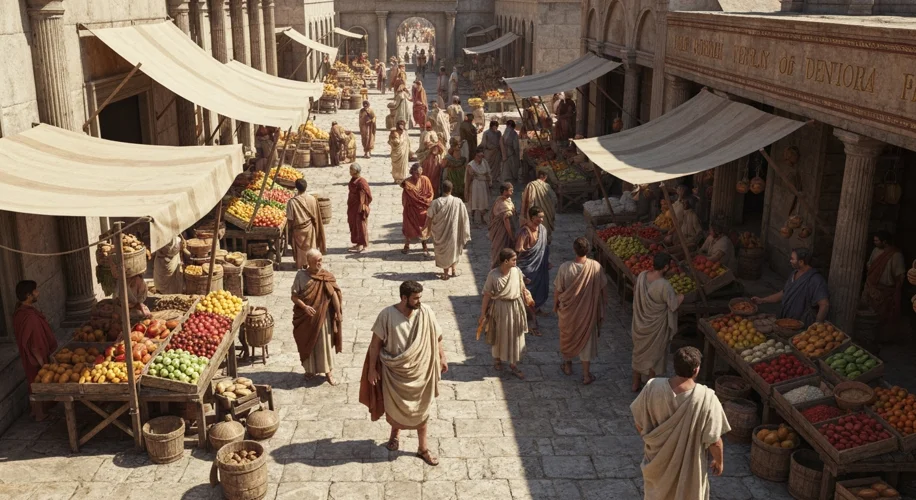
When we conjure images of Ancient Rome, gladiators and emperors often fill the mind’s eye. But behind the marble columns and imperial grandeur lay a vast, often unseen, workforce: the slaves. For centuries, popular imagination has painted their lives with a broad brush of deprivation, suggesting a diet of near-starvation and gruel. However, recent archaeological discoveries and a deeper understanding of Roman society are challenging these grim assumptions, revealing a more complex and, in some ways, surprisingly varied dietary landscape for enslaved people.
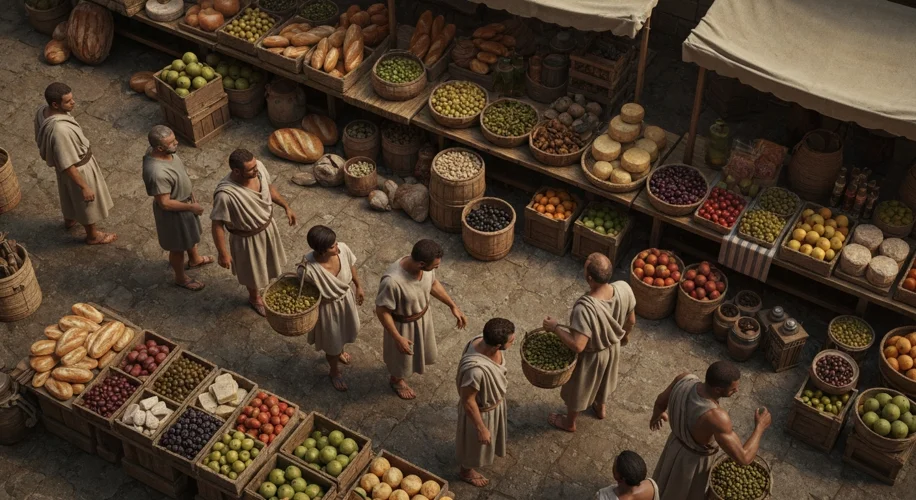
The social hierarchy of Rome was rigidly defined, and slavery was its bedrock. Slaves occupied the lowest rung, yet their circumstances were far from uniform. A skilled artisan enslaved in a bustling urban workshop led a different existence from a field hand toiling under the Mediterranean sun, or a domestic servant attending to the whims of a wealthy patrician. These differences profoundly impacted their access to food.
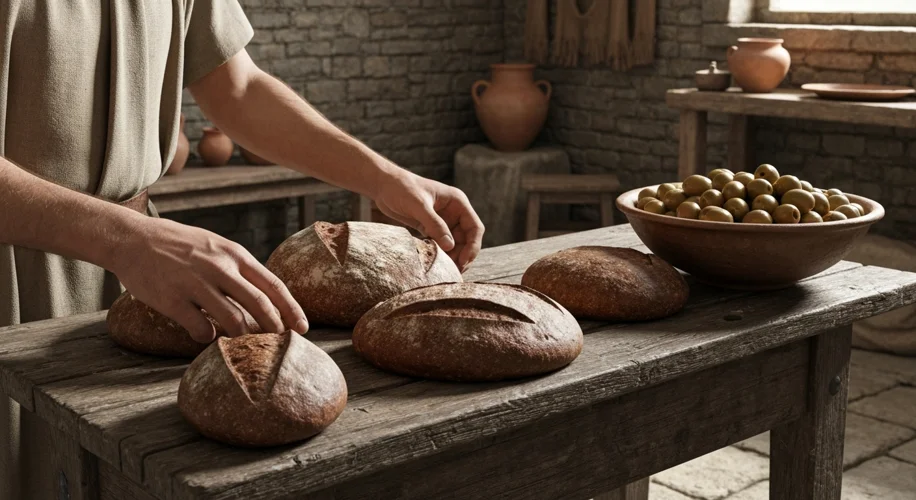
Economically, Rome was a complex organism. The immense wealth generated by conquest and trade flowed upwards, but the demand for labor to sustain this economy meant that even the poorest citizens and many slaves had some access to basic foodstuffs. The staple of the Roman diet, for all classes, was grain. Wheat and barley formed the basis of bread and puls (a thick porridge), which were consumed in vast quantities. Evidence from archaeological sites, such as the carbonized remains of bread found in Pompeii and Herculaneum, indicates that bread was a common food item, often made from readily available grains.
But what about the slaves? Did they subsist on mere crumbs? Archaeological digs at Roman slave quarters and surrounding agricultural estates have unearthed a treasure trove of information. Piles of discarded olive pits, fish bones, and animal scraps, alongside pottery fragments that once held wine and oil, tell a story of more than just basic survival. While the finest cuts of meat and exotic delicacies were reserved for the elite, slaves frequently consumed a diet rich in what was locally available and affordable.
Consider the case of the agricultural slaves. Their labor was crucial for producing the very food that sustained the empire. It’s highly probable that they had access to the grains they harvested, perhaps in the form of rougher, less refined bread or porridge. They would have also consumed olives, a vital crop throughout the Roman world, providing oil for cooking and eating. Fish, especially in coastal regions, was another common and relatively inexpensive protein source. Studies of skeletal remains have revealed isotopes that point to significant consumption of fish and grains, indicating a diet that, while perhaps monotonous, was certainly not devoid of nutrition.
Domestic slaves, particularly those serving in wealthier households, might have had an even more varied diet, albeit indirectly. While not directly served at the master’s table, leftover food, scraps, or even meals prepared for them from the household’s stores could have included vegetables, fruits, and perhaps even some cheese or meat. Wine, often diluted, was a common beverage for many, including slaves, serving as both sustenance and a social lubricant.
The discovery of large quantities of lentils, beans, and other legumes in the refuse of slave quarters is particularly noteworthy. These were not considered high-status foods but were excellent sources of protein and fiber, essential for manual labor. Their widespread availability and affordability made them a practical dietary component for those on a tight budget, including the enslaved population.
It’s crucial to understand that the Roman concept of food was deeply intertwined with social status. The elite would boast of imported delicacies, elaborate sauces, and exotic meats, items utterly out of reach for the vast majority of the population, slave or free. The dietary differences were stark, but the absence of certain luxury items did not equate to outright starvation for slaves. They ate what was practical, accessible, and provided the necessary energy for their demanding lives.
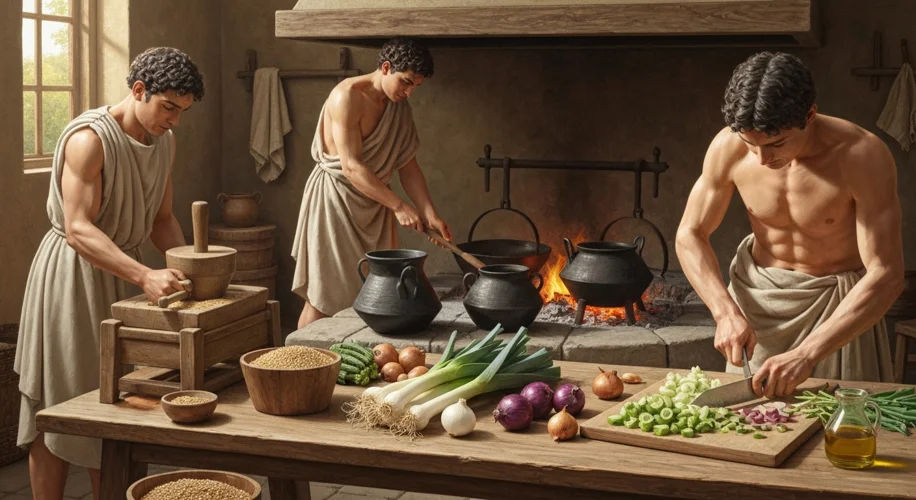
The impact of these discoveries is significant. They move beyond the sensationalized depictions of slave suffering and offer a more nuanced understanding of Roman society. It suggests that Roman masters, while undoubtedly exploiting slave labor, often provided for their basic needs to ensure productivity. A well-fed slave was a more effective slave. This doesn’t negate the brutality of slavery, but it adds a layer of complexity to the daily experience.
In conclusion, the daily diet of Roman slaves was a far cry from the empty bowls often imagined. While their meals were undoubtedly simpler and less varied than those of the wealthy elite, they were sustained by the staples of Roman life: bread, olives, grains, and local produce. The evidence points not to deliberate starvation, but to a pragmatic, if harsh, provision of sustenance that fueled the engine of one of history’s greatest empires.