
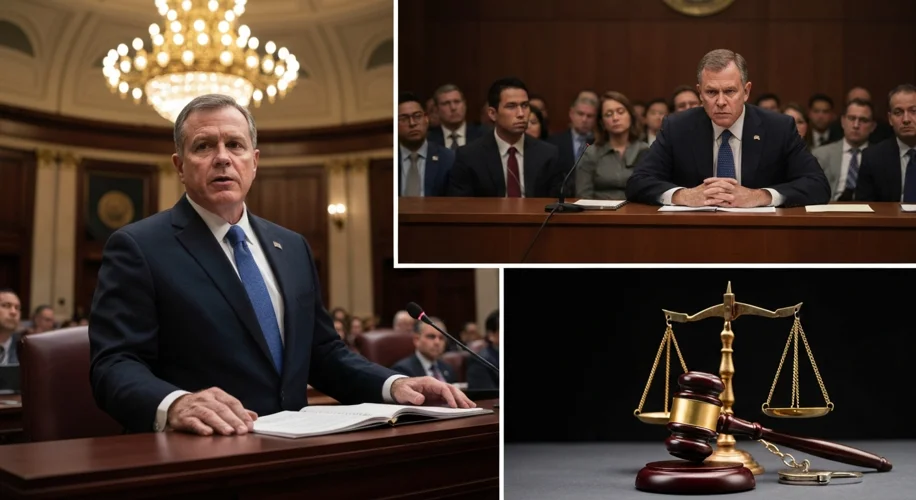
In the bustling political landscape of New Jersey, few figures cast as long a shadow as Senator Bob Menendez. His career, spanning decades, has been a tapestry woven with significant legislative efforts and, more recently, the persistent threads of corruption allegations. Understanding Menendez’s journey requires looking beyond the headlines to the intricate interplay of power, public service, and the accusations that have defined his later years.
Born in New York City in 1954 to Cuban immigrant parents, Menendez’s early life was shaped by the immigrant experience. He moved to New Jersey as a child, and it was there that his political aspirations took root. After attending college and law school, he entered local politics, serving on the school board and later as Mayor of Union City. These early years provided a crucible for his understanding of community needs and the mechanics of governance.
His ascent was swift. By the early 1990s, Menendez had become a formidable force in New Jersey politics. He served in the House of Representatives for over a decade, carving out a reputation as a tenacious advocate for his constituents and a key voice on issues ranging from foreign policy to healthcare. He was known for his sharp intellect and his ability to navigate the complex corridors of Washington. In 2006, he made the leap to the Senate, winning a special election and solidifying his position as one of the state’s most prominent political figures.
During his tenure in the Senate, Menendez championed several key legislative initiatives. He was a vocal proponent of immigration reform, drawing on his own family’s background. He also focused on issues of economic inequality, advocating for policies aimed at supporting working families. His work on the Senate Foreign Relations Committee, in particular, brought him international attention, where he often took strong stances on human rights and global stability. He was instrumental in shaping US policy towards Cuba and Venezuela, often reflecting the concerns of the Cuban-American community.
However, the narrative of Bob Menendez’s career cannot be told without addressing the persistent cloud of corruption allegations that have shadowed him. The first major indictment came in 2015, when he faced charges of bribery, fraud, and extortion. Prosecutors alleged that Menendez had accepted lavish gifts, including expensive trips and campaign donations, in exchange for using his influence to benefit wealthy donors. The trial ultimately ended in a hung jury, and the Department of Justice declined to retry the case, though the accusations left a significant mark on his public image.
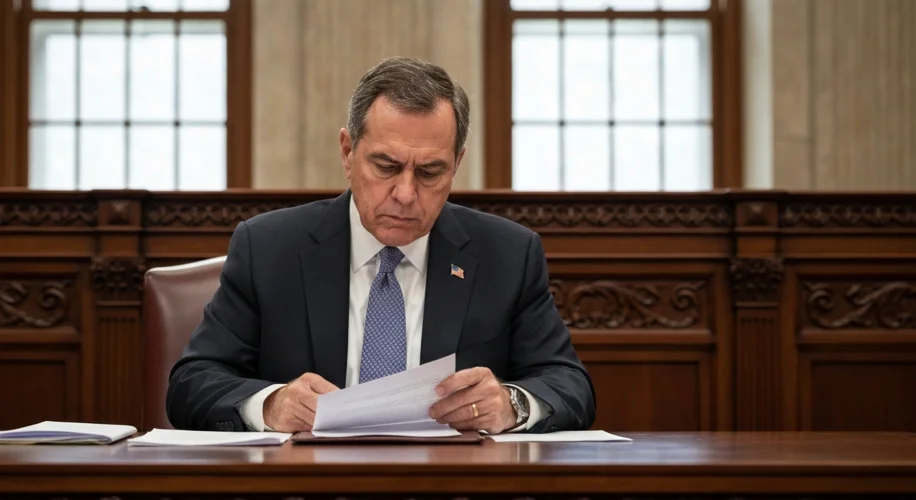
The story took a dramatic turn in September 2023, when Menendez was indicted once again, alongside his wife, Nadine. This new indictment brought even more serious charges, including conspiracy to commit bribery, honest services fraud, and extortion. The prosecution’s case painted a vivid picture: a network of influence peddling involving businessmen seeking political favors, particularly in securing lucrative government contracts and intervening in criminal investigations. The alleged bribes were said to include cash, gold, and even a luxury Mercedes-Benz.
Menendez has maintained his innocence throughout these proceedings, characterizing the investigations as politically motivated attacks. His defense has argued that the gifts received were legitimate expressions of friendship and support, not quid pro quo bribes. The complexity of campaign finance laws and the nature of political fundraising often create a gray area, and Menendez’s supporters have pointed to this ambiguity.

The ongoing legal battles have had a profound impact. Menendez stepped down temporarily from his role as Chair of the Senate Foreign Relations Committee, a significant blow to his standing and influence. The allegations have also become a focal point in the broader national conversation about ethics in public service and the potential for corruption within the highest levels of government. For New Jersey, a state with a history of political scandals, these accusations have reignited debates about accountability and the integrity of its elected officials.
The legacy of Bob Menendez is therefore one of stark contrasts. He is remembered by many for his dedication to his constituents and his impactful legislative work, particularly in advocating for underrepresented communities. Yet, he is also indelibly linked to the serious charges of corruption that have tested the boundaries of public trust. His journey serves as a compelling, albeit cautionary, tale in the ongoing narrative of American politics, illustrating the fine line between powerful influence and illicit gain, and the relentless scrutiny that accompanies public office. As his legal battles continue, the final chapter of his political legacy remains unwritten, a subject of ongoing debate and historical interpretation.