
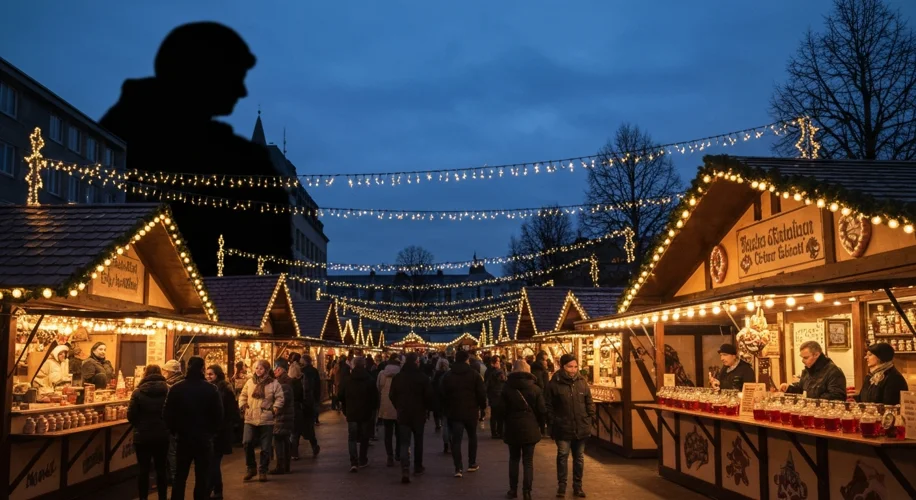
The scent of gingerbread and mulled wine typically fills the air as Germany’s beloved Christmas markets, or Weihnachtsmärkte, spring to life. These festive gatherings, with their twinkling lights, artisanal crafts, and communal warmth, are a cherished tradition, a vibrant pulse of German culture as winter descends. For centuries, these markets have served as vibrant hubs of community, offering respite and joy during the darkest days of the year. They are more than just places to shop; they are living embodiments of German heritage, places where families connect, friends gather, and the spirit of the season is palpable in every handcrafted ornament and steaming cup.
Yet, beneath the surface of this idyllic scene, a chilling reality has begun to cast a shadow. The festive cheer has, on more than one occasion, been shattered by acts of horrific violence, transforming these symbols of peace and togetherness into scenes of terror and grief. The very places designed to bring people joy have tragically become targets, leaving a scar on the nation’s conscience and altering the perception of these cherished traditions.
A History of Merriment, Now Marred by Tragedy
The history of Christmas markets in Germany stretches back to the late Middle Ages. Originally known as “December Markets,” they provided a crucial opportunity for people to stock up on necessities and gifts before the harsh winter. Over time, these practical markets evolved, infused with the spirit of Christmas, incorporating festive decorations, seasonal treats, and carols. Cities like Dresden, Nuremberg, and Cologne became famous for their elaborate and long-standing markets, each with its own unique character and traditions.
These markets represent a deep-seated cultural heritage, a testament to Germany’s enduring connection to its past. They are a place where generations have gathered, sharing stories and creating memories. The aroma of roasting chestnuts, the sound of cheerful chatter, and the sight of intricately decorated stalls evoke a sense of nostalgia and belonging. The tradition has spread beyond Germany, influencing Christmas celebrations across Europe and beyond, becoming a global symbol of festive cheer.
The Scars of Terror: A New Darkness Descends
The idyllic image of the German Christmas market was brutally confronted with a new, terrifying reality in the early 21st century. While individual acts of violence have always been a risk in any public gathering, a coordinated and ideologically motivated attack on such a beloved and symbolic event marked a disturbing escalation.
The most prominent and tragic event occurred on December 19, 2016. A large, refrigerated truck, driven by a man with extremist ties, plowed through a crowded Christmas market near the Kaiser Wilhelm Memorial Church in Berlin. The vehicle, moving at high speed, mowed down shoppers, crushing stalls and scattering merchandise. The attack, which lasted for several terrifying minutes, left 12 people dead and dozens more injured.
The perpetrator, Anis Amri, a Tunisian asylum seeker who had been on the radar of security agencies, was later killed in a shootout with police in Italy. His attack sent shockwaves not only through Germany but across the globe, highlighting the vulnerability of open, festive public spaces to determined terrorists.
The aftermath of the Berlin attack was profound. The immediate response was one of shock, grief, and anger. Candles flickered in vigils across the country, and messages of solidarity poured in from around the world. However, the attack also ignited intense debates about immigration, security, and the integration of refugees into German society. Questions were raised about whether security services had done enough to prevent the attack, given Amri’s known history and affiliations.
A Nation’s Resilience and Evolving Vigilance
In the years since 2016, Germany has grappled with the implications of this attack. The resilience of the German people has been evident in their refusal to be cowed by fear, with Christmas markets continuing to operate, albeit with heightened security measures.
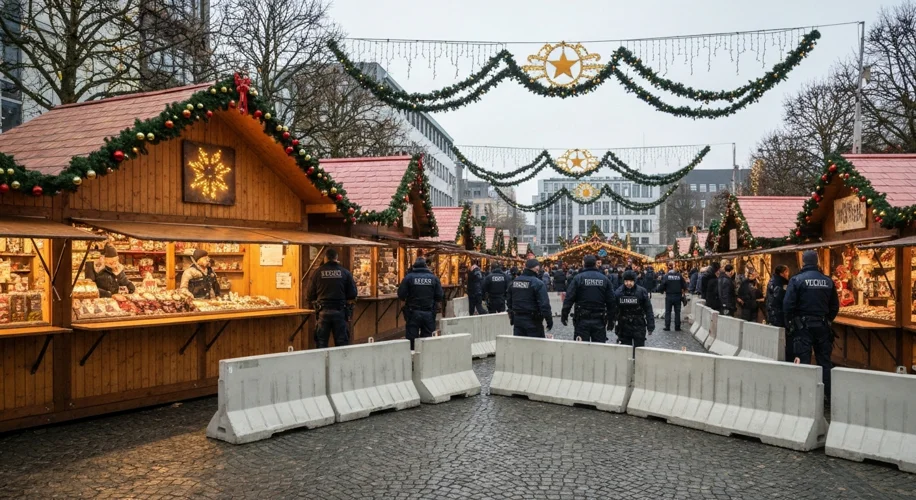
Security at these markets has been significantly enhanced. Bollards and barriers are now common, designed to prevent vehicles from being used as weapons. Police presence has increased, and surveillance has been stepped up. While these measures are intended to provide a greater sense of safety, they inevitably alter the traditional, open atmosphere of the markets, introducing a visible layer of caution and control.
The cultural impact has also been significant. While the spirit of Christmas markets endures, there is now an underlying awareness of the potential for danger. The carefree joy of previous years is tempered by a heightened sense of vigilance. Families may be more hesitant, or at least more aware of their surroundings, as they navigate the festive crowds. The very essence of the market—its open, communal spirit—is now balanced against the need for robust security.
Looking Ahead: Preserving Tradition in a Changed World
The attacks on German Christmas markets serve as a stark reminder that even the most cherished traditions can become targets in an era of global terrorism. The challenge for Germany, and indeed for many nations, is to find a way to preserve the warmth and joy of these cultural events while ensuring the safety of their citizens.
This ongoing struggle reflects a broader historical narrative: the tension between openness and security, between celebrating cultural heritage and safeguarding against modern threats. The story of the German Christmas market attacks is not just about a single tragic event, but about a nation’s ongoing effort to reclaim its festive spirit in the face of fear, and to adapt its traditions to a world that has, unfortunately, become a more dangerous place. The scent of gingerbread and mulled wine may still fill the air, but it is now a scent mingled with the lingering echo of vigilance, a testament to a tradition that continues, but is forever changed.