
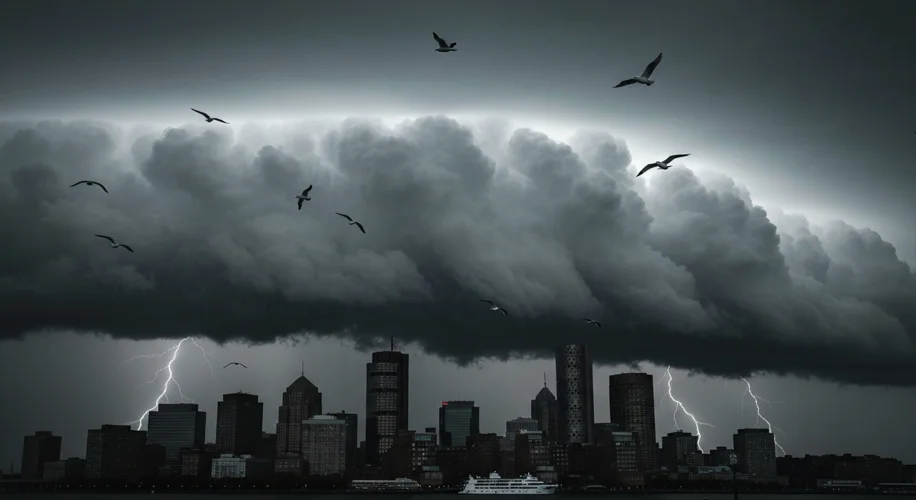
The air in Boston’s North End on January 15, 1919, was crisp and cold, typical for a Massachusetts winter. Yet, beneath the surface of this ordinary day, a sinister force was brewing. In a massive, poorly constructed tank owned by the Purity Distilling Company, over two million gallons of molasses were held, a sweet, viscous liquid destined to become industrial alcohol.
This wasn’t just any molasses; it was the lifeblood of a wartime economy, fueling munitions factories. But the tank itself was a ticking time bomb. Locals had long complained about its groaning and the dark, sticky tide that seeped from its rivets. Children often collected the dripping molasses, a sweet treat in a time of scarcity. Warnings were ignored, whispers of unease drowned out by the hum of industry.
Around 12:30 PM, the unthinkable happened. With a deafening roar that silenced the usual city sounds, the tank ruptured. A colossal wave of molasses, estimated to be up to 25 feet high and moving at an alarming 35 miles per hour, surged through the streets. It was a tsunami of sugar, a sticky, suffocating tide that swept away everything in its path.
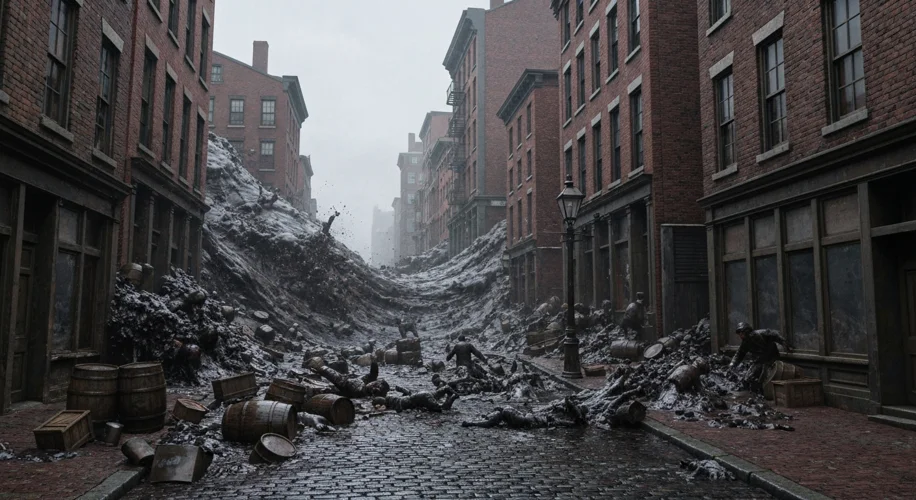
The wave was a monstrous force, tossing horses and carts like toys, crushing buildings, and sweeping people off their feet. The sheer density and stickiness of the molasses made escape nearly impossible. It coated everything, suffocating victims, trapping them in a sweet, inescapable grave. Rescuers, some of whom were also caught in the initial surge, found themselves wading through knee-deep sludge, battling the relentless flow.
The aftermath was horrific. The streets were coated in a thick, brown layer that solidified as it cooled. The sweet smell of molasses was replaced by the stench of death and destruction. In total, 21 people lost their lives, and an estimated 150 were injured. The Purity Distilling Company, however, attempted to blame anarchists for the disaster, a desperate attempt to deflect responsibility.
But the truth, as it often does, emerged. Investigations and lawsuits revealed years of neglect and cutting corners. The tank was poorly built, its rivets leaking, and the molasses itself was too warm, making it more volatile. The company was eventually found liable, ordered to pay substantial damages to the victims and their families. The disaster became a stark symbol of corporate greed and the tragic consequences of prioritizing profit over safety.
The Great Molasses Flood wasn’t just a bizarre accident; it was a turning point. It highlighted the need for stricter building codes and industrial safety regulations. The sticky residue of the disaster lingered in the North End for decades, a constant reminder of the day when Boston was literally drowned in sweetness.