For generations, the name Johnson & Johnson has been synonymous with gentle care, a trusted presence in nurseries and bathrooms worldwide. Their iconic baby powder, a staple of countless households, promised comfort and purity. Yet, beneath this veneer of maternal wholesomeness, a storm of controversy has been gathering for decades, erupting into a series of devastating legal battles that have rocked the very foundations of the healthcare giant.
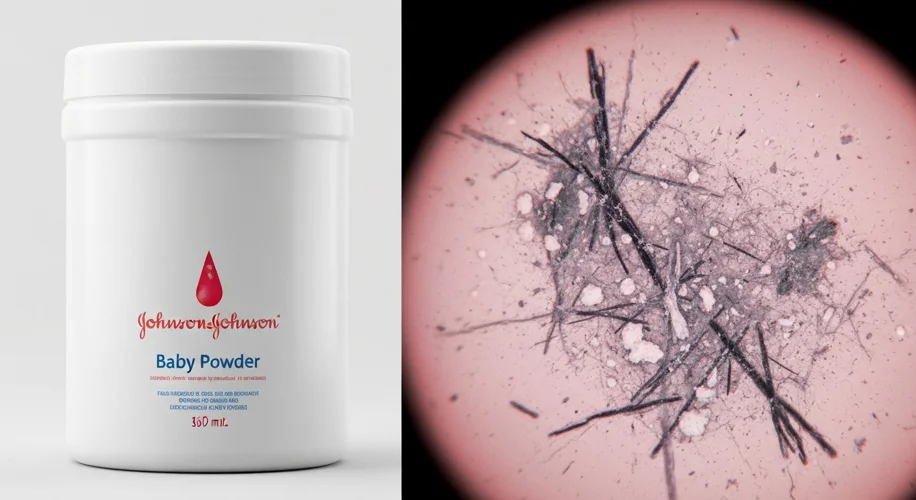
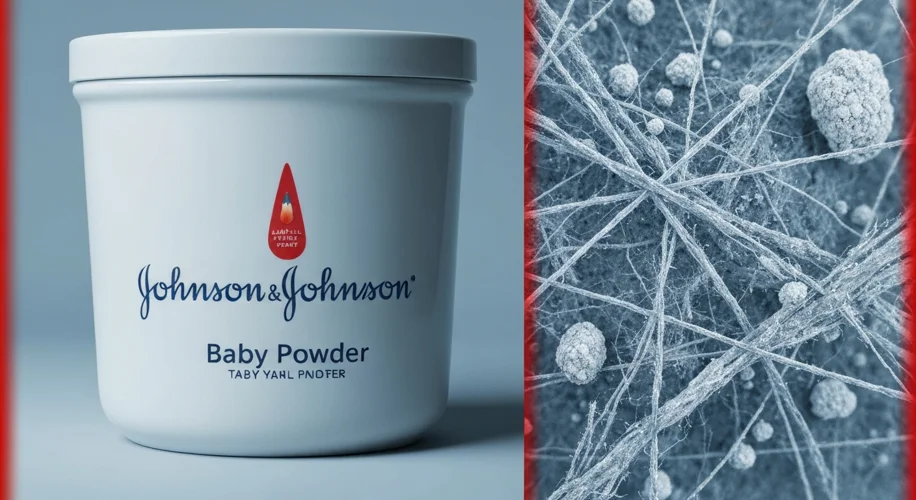
At the heart of these lawsuits lies a simple, yet terrifying accusation: that Johnson & Johnson’s talc-based products, specifically their renowned baby powder andShower-to-Shower body powder, contained asbestos and that prolonged use led to devastating forms of cancer, primarily ovarian cancer and mesothelioma, in thousands of women.
The story of these lawsuits is not a single event, but a sprawling, complex narrative that began to unfold in earnest in the late 1970s and early 1980s. The key ingredient at the center of the storm is talc, a mineral prized for its softness and absorbency. For decades, J&J sourced its talc from mines in places like Vermont. The problem, as investigators and plaintiffs’ lawyers would later allege, was that the asbestos mineral, a known carcinogen, is often found in close proximity to talc deposits. Thus, tiny, microscopic fibers of asbestos could easily contaminate the talc during the mining and processing stages.
Early whispers of concern began to surface in the scientific community. Studies emerged linking talc particles, particularly those used in feminine hygiene, to an increased risk of ovarian cancer. However, Johnson & Johnson consistently maintained the safety of its products. The company argued that its talc was asbestos-free and that decades of scientific research supported its safety. They pointed to the fact that many studies found no definitive link or showed a very weak association, often attributing any increased risk to confounding factors.
But for many women, the devastating diagnosis of cancer, particularly ovarian cancer, was an all too real consequence. For years, they had used J&J’s talc products, applying them to their most intimate areas, often daily, as recommended by the company’s marketing. The sheer volume of women coming forward with similar stories and diagnoses created a powerful wave of litigation.
The legal landscape became a battlefield. Thousands of individual lawsuits were filed, often consolidated into multidistrict litigations (MDLs) to manage the sheer volume of cases. The plaintiffs’ attorneys argued that Johnson & Johnson knew, or should have known, about the potential for asbestos contamination in their talc and the associated health risks. They presented evidence, including internal company documents and testimony from former employees, suggesting that J&J may have suppressed information and actively worked to obscure the truth about asbestos in their products.
One of the most significant victories for the plaintiffs came in 2018, when a jury in Missouri awarded $4.14 billion to 22 women and their families. This landmark verdict found that J&J’s talc products caused ovarian cancer and mesothelioma due to asbestos contamination and that the company had engaged in a conspiracy to hide the risks. While the amount was later reduced on appeal, the verdict sent shockwaves through the company and the legal world.
However, Johnson & Johnson continued to fight, asserting its innocence and questioning the scientific validity of the plaintiffs’ claims. The company also pointed to regulatory bodies and scientific organizations that had not definitively concluded that cosmetic talc was carcinogenic. They emphasized their own extensive testing and commitment to consumer safety.
The tide began to turn more definitively in the 2020s. Facing mounting legal pressure and evolving scientific understanding, Johnson & Johnson made a pivotal decision: in 2020, they announced they would discontinue sales of their talc-based baby powder in the United States and Canada. This move, while framed as a response to changing consumer demand and misinformation, was widely seen as an acknowledgment of the growing scientific and legal challenges.
In 2023, the company took another significant step, announcing its plan to transition all of its baby powder products globally to a cornstarch-based formula. This effectively marked the end of an era for the talc-based powder that had been a household name for over a century.
Despite these product changes, the legal battles have continued. Johnson & Johnson has faced thousands more lawsuits. In a significant maneuver to manage its liabilities, the company attempted to place its talc-related liabilities into a subsidiary, L.T. Creations, and then declare bankruptcy for that subsidiary in 2021. This strategy aimed to consolidate all talc claims and potentially settle them through a bankruptcy court. However, this move faced significant legal challenges, with courts questioning the legitimacy of the bankruptcy filing and its fairness to the plaintiffs.
The story of the Johnson & Johnson talc lawsuits is a stark reminder of the complex relationship between corporate power, consumer trust, and public health. It highlights the critical role of scientific research, regulatory oversight, and the legal system in holding corporations accountable for the products they bring to market. For the thousands of women who have bravely shared their stories and fought for justice, the shadow of talc may have brought immense suffering, but their struggle has undeniably brought about a significant shift in the conversation around product safety and corporate responsibility. The legacy of this protracted legal saga will undoubtedly continue to shape how we view the products we invite into our homes and the trust we place in the companies that provide them.