
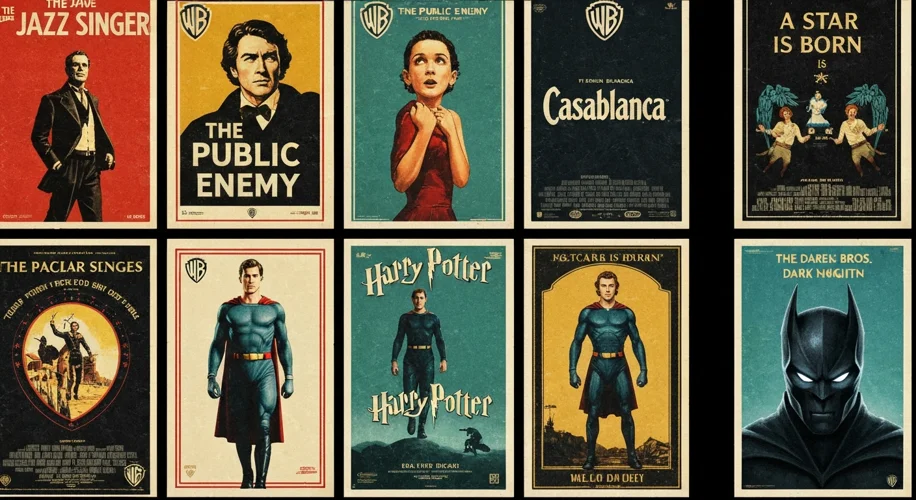
In the annals of Hollywood, few names echo with the same power and gravitas as Warner Bros. For over a century, this legendary studio has not merely produced films; it has shaped the very fabric of American cinema, delivering stories that have captivated, challenged, and defined generations. From the gritty streets of urban dramas to the sweeping epics of historical sagas, Warner Bros. has consistently pushed boundaries and left an indelible mark on the global cultural landscape.
Born from the dreams of four Polish-Jewish immigrant brothers – Harry, Albert, Sam, and Jack Warner – the studio’s origins are rooted in the burgeoning world of cinema in the early 20th century. In 1903, the brothers acquired their first film projector, a humble beginning that would soon blossom into one of the most influential entertainment empires the world has ever known. Their early ventures involved distributing films, but it was in 1923 that Warner Bros. Pictures, Inc. was officially established.
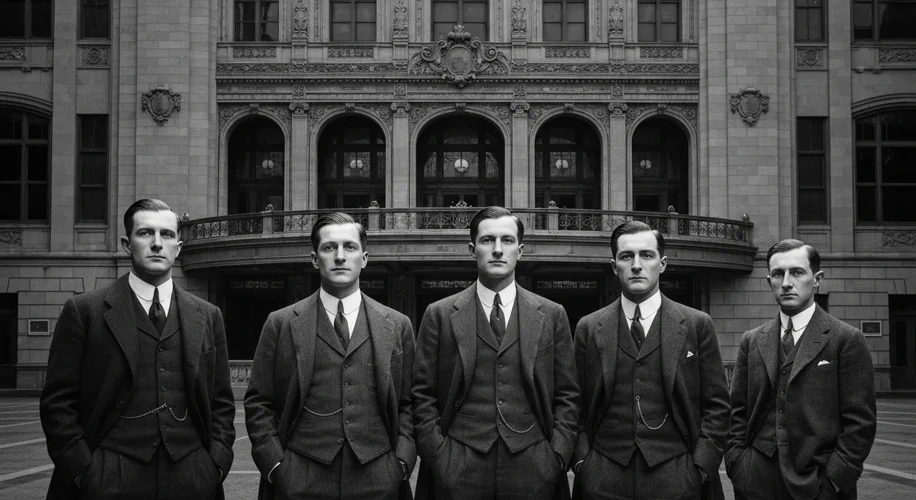
The true turning point for Warner Bros. arrived with the advent of sound. While other studios were hesitant, the Warners, particularly the visionary Sam, recognized the transformative potential of synchronized audio. Their gamble paid off spectacularly with the release of “The Jazz Singer” in 1927. This groundbreaking film, which featured synchronized dialogue and musical numbers, didn’t just launch the “talkies”; it irrevocably altered the course of filmmaking. The roar of sound, once a novelty, became an indispensable element of the cinematic experience.
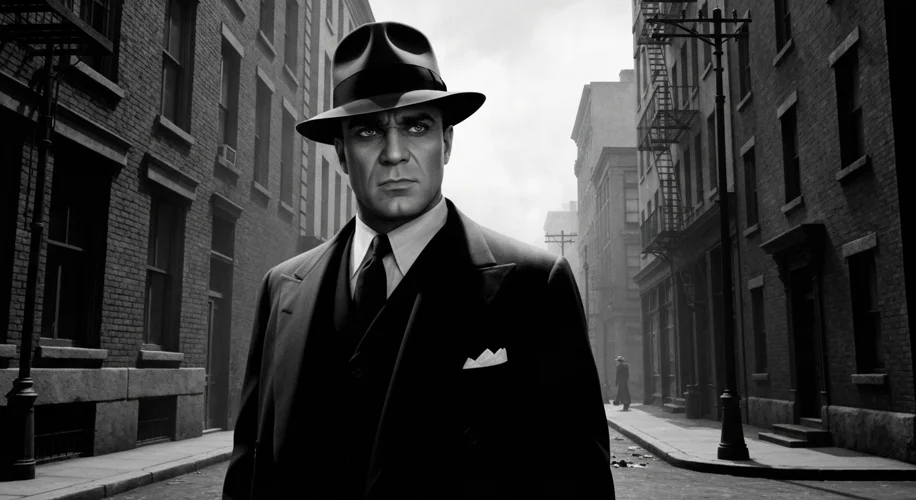
But Warner Bros. wasn’t content with simply embracing new technology. They carved a niche for themselves with a distinct brand of filmmaking that often eschewed the glamorous fantasies of their rivals for a more grounded, often gritty, realism. The studio became synonymous with hard-hitting dramas, often focusing on social issues, crime, and the struggles of the common person. Think of the tough-talking gangsters in films like “Little Caesar” (1931) and “The Public Enemy” (1931), starring the iconic James Cagney, or the stark social commentary in “I Am a Fugitive from a Chain Gang” (1932). These were not tales of escapism; they were reflections of America, warts and all.
Under the leadership of Jack L. Warner, the studio continued to produce a remarkable output throughout the Golden Age of Hollywood. They cultivated a roster of stars who embodied the studio’s spirit: Humphrey Bogart, Bette Davis, Edward G. Robinson, and Lauren Bacall, to name just a few. These actors often portrayed complex characters navigating challenging circumstances, their performances imbued with a raw authenticity that resonated deeply with audiences.
Warner Bros. also distinguished itself in the realm of epic historical dramas and musicals. “The Adventures of Robin Hood” (1938), a vibrant Technicolor spectacle, showcased the studio’s ability to create grand, heroic narratives. In the musical genre, films like “42nd Street” (1933) and “Yankee Doodle Dandy” (1942) brought joyous, energetic performances to the screen, offering a much-needed dose of optimism during turbulent times.
As television emerged as a formidable competitor in the post-war era, Warner Bros., like many studios, faced an existential crisis. However, they adapted. They diversified their operations, venturing into television production with a string of successful series that echoed their cinematic sensibilities. Moreover, their film output continued to evolve, embracing new genres and tackling more mature themes.
The studio’s impact extended beyond its creative output. Warner Bros. was often at the forefront of industry changes. They were among the first to embrace color and widescreen formats, continually seeking ways to enhance the cinematic experience. Their robust legal and business acumen, spearheaded by Jack Warner, ensured their survival and continued success through various industry shifts and economic downturns.
In the latter half of the 20th century and into the 21st, Warner Bros. continued to deliver blockbusters and critically acclaimed films. From the groundbreaking “Bonnie and Clyde” (1967) that redefined the gangster genre for a new generation, to the beloved “Superman” (1978) that launched the modern superhero film era, to the sprawling “Harry Potter” franchise that enchanted millions worldwide, the studio has demonstrated an enduring capacity for reinvention.
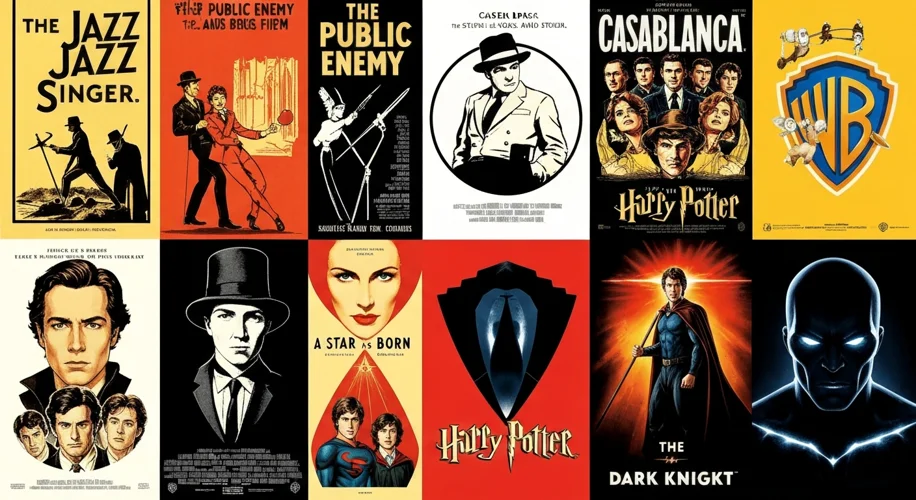
Today, as part of Warner Bros. Discovery, the studio remains a titan of the entertainment industry, a testament to the vision and tenacity of the Warner brothers. Their legacy is not just in the films they made, but in the stories they told – stories that mirrored society, challenged conventions, and ultimately, captured the imagination of the world. Warner Bros. is more than just a studio; it is a cornerstone of cinematic history, a place where dreams were forged, and where the magic of storytelling continues to unfold.