The winds of change often blow with a fierce, unforgiving gale, especially in lands where the echoes of past struggles resonate deeply. Belarus, a nation nestled at the crossroads of Eastern Europe, has long been a testament to this truth. For decades, its people have yearned for a different path, a democratic future distinct from the authoritarian grip that has held sway for so long. At the heart of this struggle lies a story of unwavering opposition, courageous figures, and the stark reality of political imprisonment.
To understand the present, we must cast our gaze back. Belarus, after centuries of foreign rule, finally gained independence in 1991 following the dissolution of the Soviet Union. A brief period of democratic hope flickered, but by 1994, Alexander Lukashenko was elected president, marking the beginning of an era that would see democratic institutions systematically dismantled and dissent stifled. The culture of the Soviet past, with its emphasis on state control and suppression of individual freedoms, cast a long shadow, and Lukashenko’s leadership seemed determined to embrace it.
The historical context is crucial. Unlike many of its Eastern European neighbors, Belarus did not undergo a significant lustration process or a swift transition to a market economy. Instead, it maintained many Soviet-era economic structures and a centralized political system. This created fertile ground for a persistent, if often embattled, opposition movement.
Over the years, numerous figures have emerged as the vanguards of this movement, each bearing witness to the immense pressure exerted by the state. Leaders like Anatoly Lebedko of the United Civil Party, Mikalai Statkevich, a former presidential candidate, and more recently, the charismatic Svetlana Tikhanovskaya, have become symbols of resistance. Tikhanovskaya, a former English teacher, stepped into the political arena in 2020, initially supporting her imprisoned husband, blogger and activist Sergei Tikhanovsky. Her unexpected surge in popularity, fueled by a wave of popular discontent, presented the most significant challenge to Lukashenko’s rule in decades. However, her victory claims were met with a brutal crackdown, forcing her into exile, a fate shared by many other opposition figures.
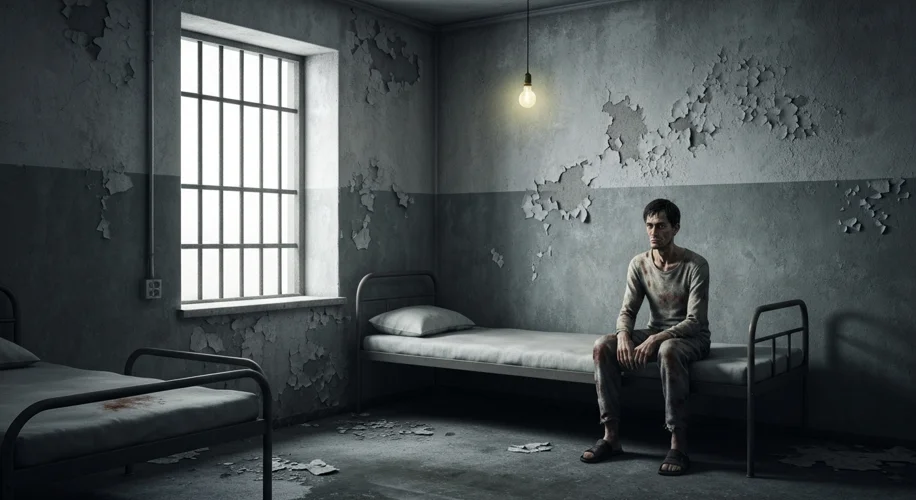
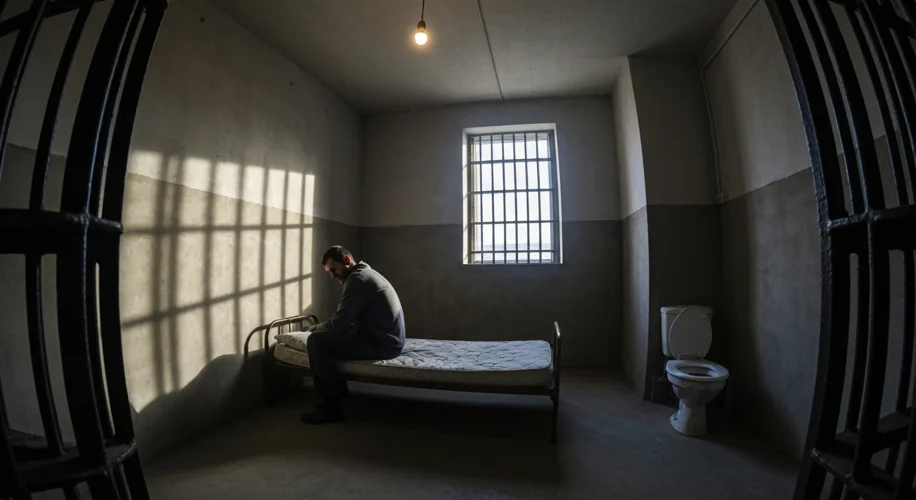
The year 2020 stands as a watershed moment. Following a presidential election widely criticized for its irregularities, mass protests erupted across Belarus. Hundreds of thousands took to the streets, demanding fair elections and an end to Lukashenko’s autocratic rule. The response from the authorities was swift and brutal: mass arrests, widespread torture, and the systematic silencing of independent media and civil society. Thousands were detained, many facing fabricated charges and lengthy prison sentences. These individuals, branded as political prisoners, became the human face of Belarus’s struggle for freedom.
The release of several prominent political prisoners in late 2024 and early 2025, after intense international pressure and diplomatic maneuvering, offered a glimmer of hope. Figures like Viasna human rights center leader Ales Bialiatski, Nobel Peace Prize laureate, and other activists were freed. This move, while welcomed by the international community, was viewed by many within Belarus and among exiled opposition groups with cautious optimism, recognizing it as potentially strategic rather than a genuine shift towards reform.
What does this persistent struggle signify? It speaks to the deep-seated desire for self-determination and democratic governance within the Belarusian people. It highlights the courage of individuals who, despite facing severe repercussions, continue to advocate for change. The systematic use of political imprisonment underscores the lengths to which authoritarian regimes will go to maintain power, by crushing dissent and instilling fear. The international community’s role, through sanctions and diplomatic pressure, has been significant, yet the ultimate fate of Belarus remains inextricably linked to the will of its people and the resilience of its opposition.
The story of Belarus’s opposition movement and its political prisoners is not just a national narrative; it is a universal tale of the human spirit’s indomitable will in the face of oppression. It is a reminder that the fight for freedom is often a long, arduous journey, marked by sacrifice, resilience, and the enduring hope for a brighter dawn.