
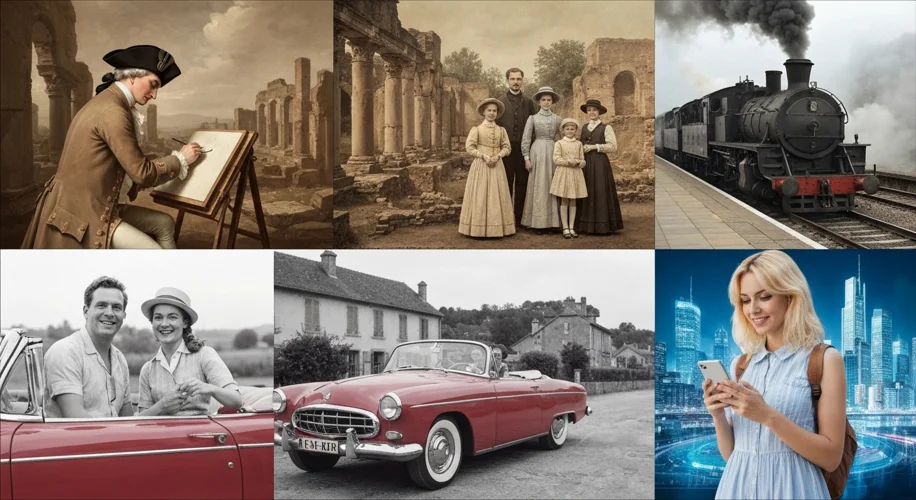
The allure of the unknown, the yearning for new horizons, the simple desire to see – these are primal human instincts. For millennia, however, the ability to indulge these desires was a luxury reserved for the intrepid few, the merchants, the pilgrims, the conquerors. But over the last few centuries, a profound transformation has occurred, turning the act of travel from a perilous undertaking into a global phenomenon: the rise of tourism.
Our story begins not with bustling airports and all-inclusive resorts, but with the refined elegance and intellectual curiosity of 18th-century Europe. The ‘Grand Tour’ was the veritable passport to adulthood for young, wealthy men of the British aristocracy and gentry. Imagine them, barely out of their teens, embarking on an arduous, multi-year journey across the continent, typically accompanied by a tutor or “bear-leader” to ensure their safety and moral rectitude. Their itinerary was a curated pilgrimage through the centers of classical learning and Renaissance art: Paris, Rome, Florence, Venice. They weren’t just sightseers; they were collectors of experiences, knowledge, and, crucially, connections. The Grand Tour was an investment in their future, a chance to absorb “polite” European culture, hone their languages, and fill their minds (and often their luggage) with antiquities and artworks that would adorn their ancestral homes and solidify their status back in Britain.
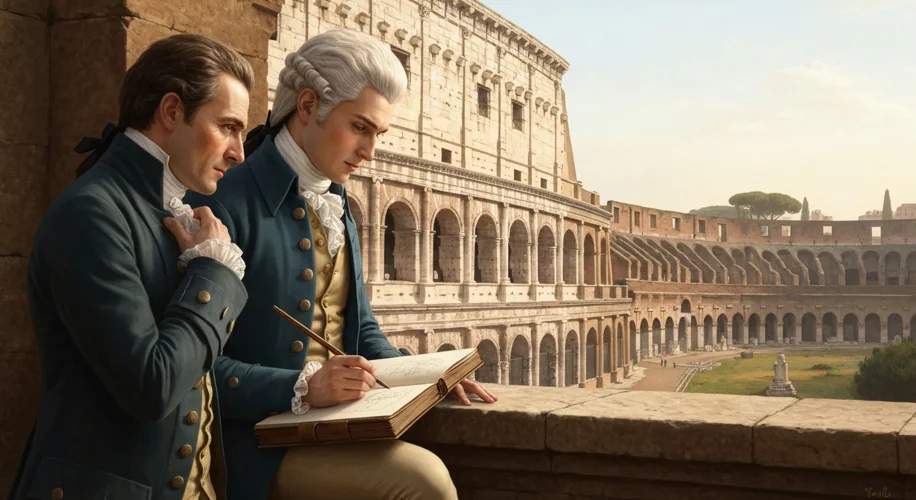
This era, though exclusive, laid the groundwork. The seeds of modern tourism were sown as travel began to be associated with education, refinement, and leisure, not just necessity. But for the vast majority, the world remained largely inaccessible. The advent of the Industrial Revolution in the 19th century, however, was about to dramatically change the landscape of travel.
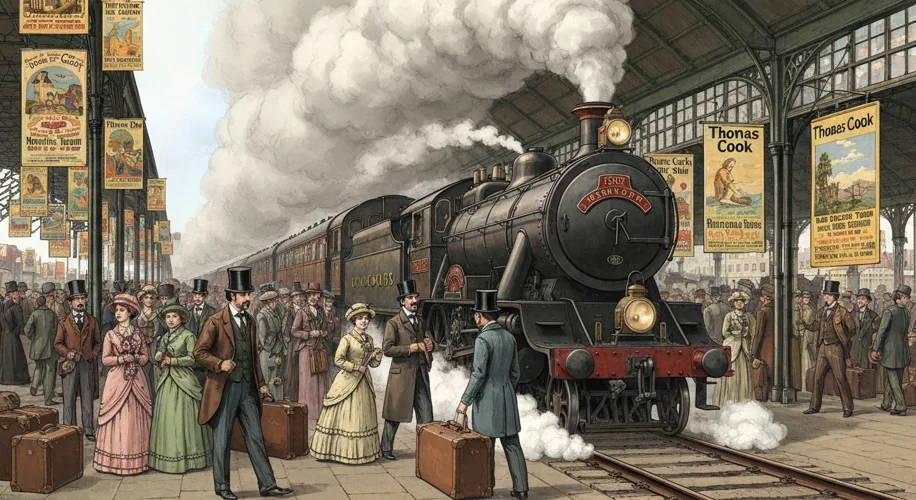
The invention of the steam engine, and its application to railways and steamships, was a game-changer. Suddenly, the vast distances that once seemed insurmountable began to shrink. Railways crisscrossed continents, making inland destinations accessible. Steamships offered a faster, more comfortable passage across oceans. This technological leap coincided with a burgeoning middle class in Britain and elsewhere, with disposable income and a growing appetite for experiences beyond their immediate surroundings.
This was the era of Thomas Cook. A Baptist preacher with an entrepreneurial spirit, Cook is widely credited with pioneering mass tourism. In 1841, he organized a railway excursion for temperance supporters from Leicester to Loughborough – a journey that cost just one shilling. This seemingly modest event was revolutionary. Cook realized the potential of packaging travel: arranging transportation, accommodation, and even guided tours into affordable bundles. He didn’t just sell tickets; he sold the idea of accessible adventure. By the 1860s, he was leading tours to the Continent, and by the turn of the 20th century, his agency was offering trips around the globe, complete with his own hotels and tour guides.
The late 19th and early 20th centuries also saw the rise of the “health resort” and the “seaside holiday.” Places like Bath in England, with its mineral springs, had long been destinations for the ailing elite. But now, with improved transport, ordinary people could also seek the restorative powers of the sea. Coastal towns transformed from fishing villages into bustling holiday centers, complete with piers, promenades, and boarding houses.
The 20th century, however, witnessed the most explosive growth. The invention of the automobile gave people unprecedented freedom and mobility. Road trips became a quintessential part of the travel experience, opening up national parks and scenic routes. Then came the ultimate disruptor: the airplane. Initially a luxury reserved for the wealthy and adventurous, air travel gradually became more affordable and accessible, shrinking the globe even further.
The post-World War II era, in particular, saw the boom of “mass tourism.” Economic prosperity, longer paid holidays, and the development of package tours offered by large travel companies made international travel a reality for millions. Destinations in the Mediterranean, the Caribbean, and Southeast Asia became popular sun-drenched escapes. The rise of budget airlines in recent decades has democratized travel even further, allowing for spontaneous weekend getaways and backpacking adventures.
But this democratization has not been without its challenges. The very success of mass tourism has led to concerns about its impact on local cultures, environments, and economies. Overtourism can strain infrastructure, damage fragile ecosystems, and lead to the commercialization and commodification of local traditions. The economic benefits, while significant, can sometimes be unevenly distributed, with local communities bearing the brunt of the negative consequences while profits flow elsewhere.
Today, as we stand in 2025, the travel industry is at another crossroads. The COVID-19 pandemic fundamentally altered how we perceive and undertake travel, leading to a greater emphasis on domestic tourism and sustainable practices. The rise of digital nomads, remote work, and the increasing awareness of climate change are pushing us to rethink our relationship with travel. We are increasingly seeking authentic experiences, responsible tourism, and a deeper connection with the places we visit.
The journey from the solitary Grand Tourist sketching ancient ruins to the backpacker exploring ancient temples or the family enjoying a beach holiday is a testament to human ingenuity, technological advancement, and our enduring desire to explore. The history of travel is, in many ways, the history of humanity itself – a continuous narrative of seeking, discovering, and connecting with the world around us.