
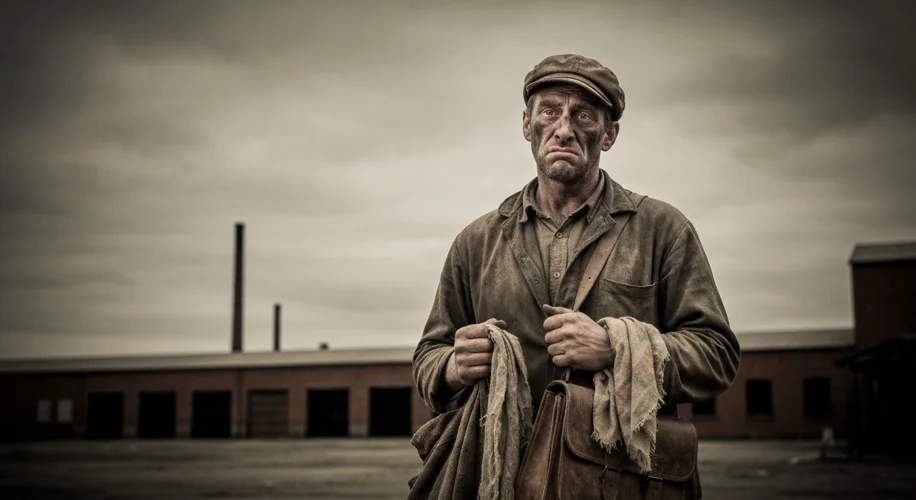
The hum of the factory floor, the clatter of typewriters, the digital buzz of modern offices – these are the sounds of livelihoods. But history teaches us that these sounds can abruptly cease, replaced by an unnerving silence. The American economic landscape, a story of innovation and growth, is also punctuated by periods of sharp contraction, moments when the very ground beneath workers’ feet seemed to vanish. These downturns, often euphemistically called recessions, are not mere statistics; they are human dramas of lost jobs, strained families, and the arduous quest for a new beginning.
Consider the Panic of 1873. Fueled by over-speculation and a post-Civil War boom gone bust, it sent shockwaves across a rapidly industrializing nation. Railroad construction, the engine of expansion, ground to a halt. Thousands, from ironworkers to clerks, found themselves without paychecks. In cities like Philadelphia, breadlines formed, a stark visual of widespread destitution. The narrative was simple: you worked, you earned, you survived. But when the factories shuttered, that contract was brutally broken.
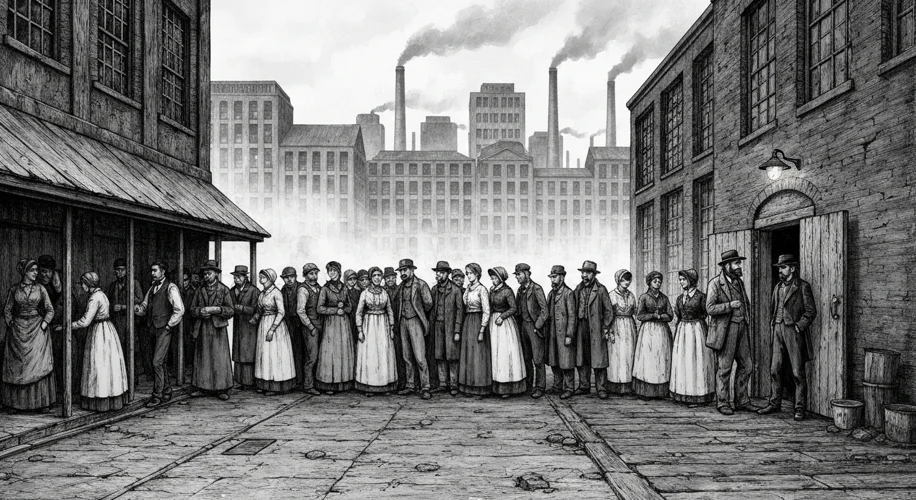
Fast forward to the Great Depression, a cataclysm that dwarfed all previous economic anxieties. The stock market crash of 1929 was merely the opening salvo. By 1933, unemployment reached an staggering 25%. Imagine a nation where every fourth adult was searching for work, any work. The Dust Bowl, a man-made ecological disaster, compounded the misery, forcing families to abandon their farms and join the legions of the dispossessed. The “Okies” and “Arkies,” as they were pejoratively known, became symbols of this desperate migration, their journeys etched with the fear of the unknown and the gnawing ache of hunger. Their stories, often passed down through generations, speak of resilience forged in the crucible of extreme hardship.
The post-World War II era brought unprecedented prosperity, but even this golden age wasn’t immune. The stagflation of the 1970s, a perplexing mix of high inflation and high unemployment, challenged economic orthodoxy. Industries that once seemed unassailable, like auto manufacturing in Detroit, began to feel the pinch of foreign competition and shifting consumer demands. “Rust Belt” became a common lament, a mournful epithet for cities once gleaming with industrial might, now dotted with abandoned factories. The human toll was immense, as skilled workers, proud of their trade, were forced to retrain or face persistent underemployment.
More recently, the Great Recession of 2008, triggered by a collapse in the housing market and a complex web of financial instruments, reminded us of our vulnerability. Millions lost their homes, their savings, and their jobs. The ripple effect was profound, impacting everything from small businesses to global supply chains. The narrative of easy credit and endless growth was shattered, leaving many to question the very foundations of the economic system.
What do these disparate moments tell us? They reveal a recurring pattern: economic cycles are not merely abstract economic forces but deeply human experiences. The loss of a job is not just a loss of income; it’s a blow to identity, a source of profound stress for families, and a challenge to one’s place in society. The skills that once guaranteed employment could become obsolete, forcing individuals to adapt, to learn new trades, and to navigate an ever-changing job market.
Yet, amidst the hardship, there is always the thread of resilience. The New Deal programs of the 1930s, while imperfect, provided a safety net and initiated public works that offered employment and instilled a sense of purpose. The retraining initiatives that emerged in the late 20th century aimed to equip workers with the skills needed for the new economy. And in every downturn, stories emerge of individuals and communities pulling together, finding innovative solutions, and demonstrating an indomitable spirit.
Understanding these historical downturns is crucial. It allows us to appreciate the fragility of economic prosperity, to recognize the human cost of unchecked speculation, and to value the social safety nets that help mitigate the worst effects. As we look to the future, the echoes of these past struggles serve as a powerful reminder: economic stability is not a given, but a continuous effort requiring foresight, compassion, and a deep understanding of the human element at the heart of every market fluctuation.