
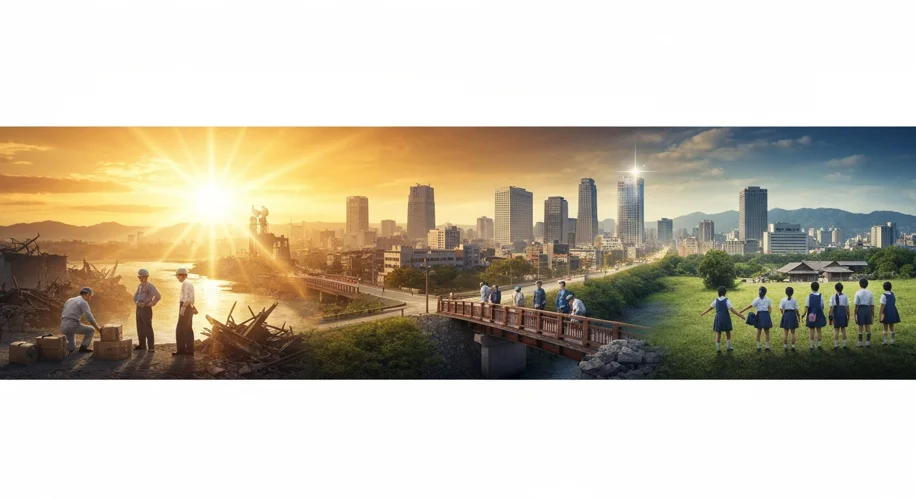
The rumble of artillery had long since faded, leaving behind a landscape scarred by conflict and a nation grappling with its profound defeat. For Japan, the end of World War II in 1945 marked not just the cessation of hostilities but the beginning of an arduous, often introspective, journey. Stripped of its imperial ambitions and under Allied occupation, Japan’s geopolitical stance was, by necessity, radically reshaped. Yet, from these ashes, a new identity emerged – one defined not by military might, but by economic prowess and a commitment to global stability through foreign aid.
In the immediate aftermath, Japan was a nation in ruins. Cities lay in rubble, its economy was devastated, and its population faced widespread hardship. The American occupation, led by General Douglas MacArthur, imposed sweeping democratic reforms, dismantling the old military apparatus and laying the groundwork for a pacifist constitution. Article 9 of this constitution, famously, renounced war as a sovereign right and prohibited the maintenance of armed forces capable of waging war. This was a fundamental, almost seismic, shift from the militaristic expansionism that had characterized Japan’s pre-war era.
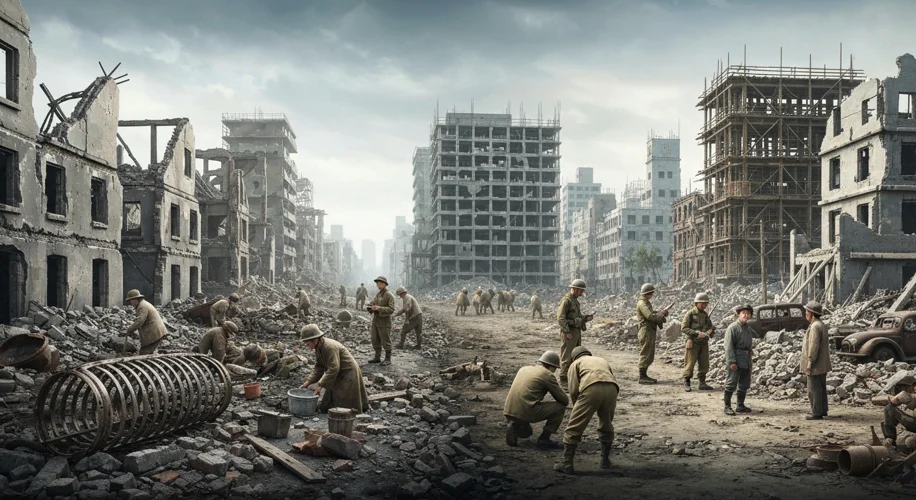
As Japan slowly rebuilt its economy, a unique geopolitical strategy began to take shape. The focus shifted from territorial conquest to economic development, not just for itself, but for others. This pivot was driven by a confluence of factors: a desire to reintegrate into the international community, a strategic alignment with the West during the Cold War, and a genuine belief that economic prosperity could be a powerful tool for peace. Japan’s burgeoning economic success, particularly its leadership in manufacturing and technology, provided the resources for this new approach.
By the 1950s and 60s, Japan began to establish its official development assistance (ODA) programs. Initially, these were heavily focused on its former colonies and neighbors in Asia, such as South Korea, Taiwan, and Southeast Asian nations. The aim was to foster goodwill, promote economic stability, and, implicitly, counter Soviet influence. This aid often took the form of loans, grants, and technical assistance, crucial for nations struggling to recover from colonialism or the ravages of war. For instance, Japan’s significant aid to South Korea, despite their fraught history, played a role in stabilizing the region and fostering economic ties.
The evolution of Japan’s foreign policy wasn’t always smooth. Domestic political debates often arose regarding the scale and recipients of aid, and the country grappled with its past, particularly concerning war reparations. However, a consistent thread emerged: Japan sought to be a “peaceful trading nation,” leveraging its economic strength to exert influence and contribute to global well-being.
This approach has seen Japan become one of the world’s largest providers of ODA, contributing billions of dollars annually. Its aid has funded infrastructure projects, supported education and healthcare, and provided humanitarian assistance across the globe. From building roads in Africa to providing disaster relief in South America, Japan’s footprint has been significant.
In recent times, this commitment has extended to nations facing acute crises. The ongoing conflict in Ukraine, sparked by Russia’s full-scale invasion in 2022, has seen Japan respond with substantial financial and humanitarian aid, despite its geographical distance from the conflict. This is a testament to Japan’s post-war geopolitical stance, which prioritizes international cooperation and support for nations under duress.

Japan’s engagement with Ukraine, in particular, underscores its evolution. As a nation deeply familiar with the devastating impact of war and territorial aggression, Japan’s solidarity with Ukraine is not merely symbolic; it’s rooted in a profound understanding of the fragility of peace. This aid package includes financial assistance for the Ukrainian government, humanitarian aid for displaced persons, and support for infrastructure reconstruction. This mirrors, in many ways, the kind of aid Japan itself received and later disbursed in its own post-war reconstruction.
Japan’s geopolitical stance, therefore, is a fascinating case study in national transformation. From the ashes of a devastating war, it forged a path defined by economic diplomacy and a commitment to global responsibility. Its role as a major provider of foreign aid, exemplified by its support for Ukraine, demonstrates a foreign policy that seeks to build bridges, foster stability, and prevent the recurrence of the kind of devastation it once inflicted and endured. It is a narrative of redemption, resilience, and a deliberate, sustained effort to shape a more peaceful world through the quiet power of assistance.
While Japan’s pacifist constitution remains a cornerstone of its identity, its active role in international aid and diplomacy showcases a dynamic and evolving geopolitical posture, proving that a nation’s strength can be measured not only by its military might but also by its capacity for compassion and constructive engagement.