
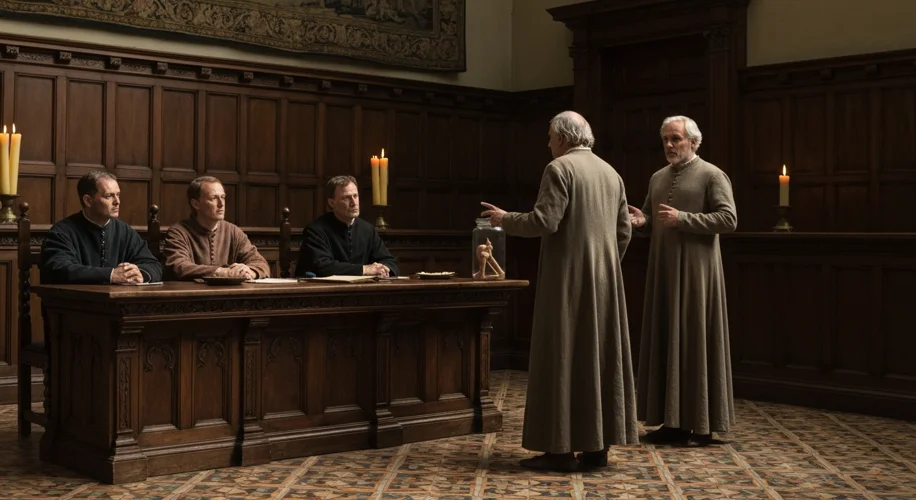
The scene was grim: a body discovered, its life extinguished under mysterious circumstances. In ancient times, such a death might remain an enigma, a whisper lost to the wind. But as humanity advanced, so did its methods of seeking truth. The autopsy, a practice as old as humanity’s desire to understand death, has evolved from a crude necessity into a sophisticated tool, a silent witness that speaks volumes in both civil and criminal investigations.
Whispers from the Past: Early Forays into the Corpse
Long before the scalpel became a symbol of forensic science, rudimentary forms of post-mortem examination existed. Ancient Egyptians, with their elaborate mummification rituals, developed a deep, albeit ritualistic, understanding of human anatomy. While their primary goal was the afterlife, their meticulous handling of the deceased undoubtedly laid groundwork for later anatomical study. In ancient Greece, physicians like Hippocrates, though not conducting formal autopsies in the modern sense, are credited with systematic anatomical observations. The Roman physician Galen, whose influence on medicine spanned over a millennium, performed extensive dissections on animals, inferring much about human physiology.
However, the true investigation of death for legal purposes remained largely taboo for centuries. The pervasive belief that disturbing a corpse would unleash supernatural retribution, coupled with religious prohibitions, cast a long shadow. It wasn’t until the late Middle Ages and the burgeoning Renaissance that this practice began to shift, spurred by a growing scientific curiosity and a need to solve crimes that baffled authorities.
The Dawn of Legal Autopsy: When Science Met the Law
One of the earliest documented instances of a legal autopsy being conducted to solve a murder occurred in Bologna, Italy, in the 14th century. A young woman named Alda was found dead, and her father-in-law was suspected. The authorities, in a move that was groundbreaking for its time, authorized a dissection. The findings were crucial: the autopsy revealed signs of poisoning, directly implicating the accused. This event marked a significant turning point, demonstrating the potential of post-mortem examinations to provide irrefutable evidence in criminal proceedings.
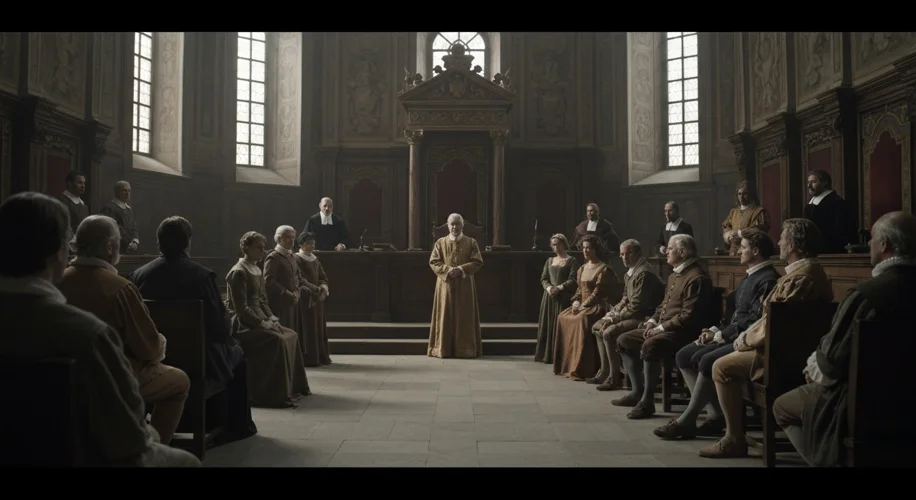
Across Europe, the practice slowly gained traction. However, it was often met with resistance. The infamous medieval witch trials, for instance, saw bodies