
The Echoes of Tradition: Korea’s Dog Meat Trade
In the heart of South Korea, amidst the pulsating rhythm of K-pop and cutting-edge technology, lies a tradition as old as the peninsula itself – the consumption of dog meat. For centuries, it was a practice woven into the fabric of Korean society, a source of sustenance and a symbol of resilience. But as the nation hurtles into the 21st century, this ancient custom finds itself at a precipice, caught in a maelstrom of shifting cultural values, international scrutiny, and a fierce debate over animal welfare.
Roots in Survival: A History Forged by Hardship
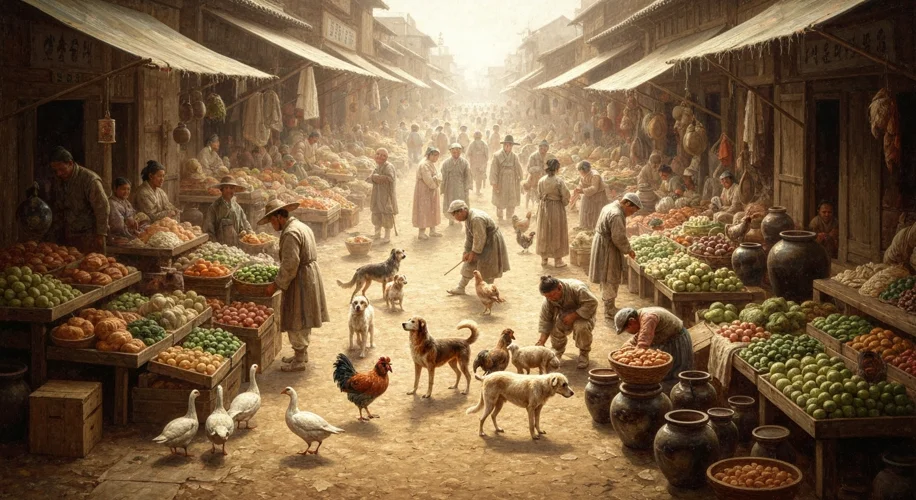
The origins of the dog meat trade in Korea are deeply entwined with the nation’s history of hardship. During periods of famine and scarcity, particularly in the Joseon Dynasty (1392-1897) and the challenging years following the Korean War, dogs were a readily available source of protein. Unlike livestock that required significant land and resources, dogs were often raised in backyards or on small farms, making them a practical option for survival. The belief that dog meat offered strength and stamina, especially during the sweltering summer months, also contributed to its cultural entrenchment. This was not about cruelty; it was about necessity.
The Cultural Tapestry: More Than Just a Meal
Beyond mere sustenance, dog meat, particularly a dish called bosintang (a spicy stew often made with dog meat, vegetables, and perilla seeds), held a certain cultural significance. It was associated with virility and was believed to fortify the body against the heat and humidity of summer. For many, it was a dish enjoyed during specific seasons or for specific occasions, a part of a wider culinary heritage that included other meats and seafood. However, the perception of dogs themselves began to evolve over time. While some were raised for consumption, others were cherished as companions, a duality that would later fuel the intense debates.
Shifting Tides: The Rise of Companion Animals
The latter half of the 20th century witnessed a dramatic transformation in South Korean society. Economic prosperity brought about significant changes in lifestyle, including a growing middle class and increased pet ownership. Dogs, once primarily seen as livestock or guard animals, began to transition into beloved family members. This shift in perspective created a growing dissonance with the continued practice of the dog meat trade. International attention, often fueled by animal welfare organizations, began to highlight the practice, casting a negative light on South Korea and creating a complex international image.
The Modern Divide: Activism, Opposition, and Legislation
Today, the dog meat trade in South Korea is a deeply divisive issue. Animal rights activists, both domestic and international, have waged a relentless campaign to end the practice, citing ethical concerns and animal cruelty. They point to the often brutal conditions in farms and slaughterhouses, the inhumane methods of transport, and the sheer suffering of the animals. These groups have organized protests, rescues, and public awareness campaigns, garnering significant media attention and swaying public opinion, particularly among younger generations.
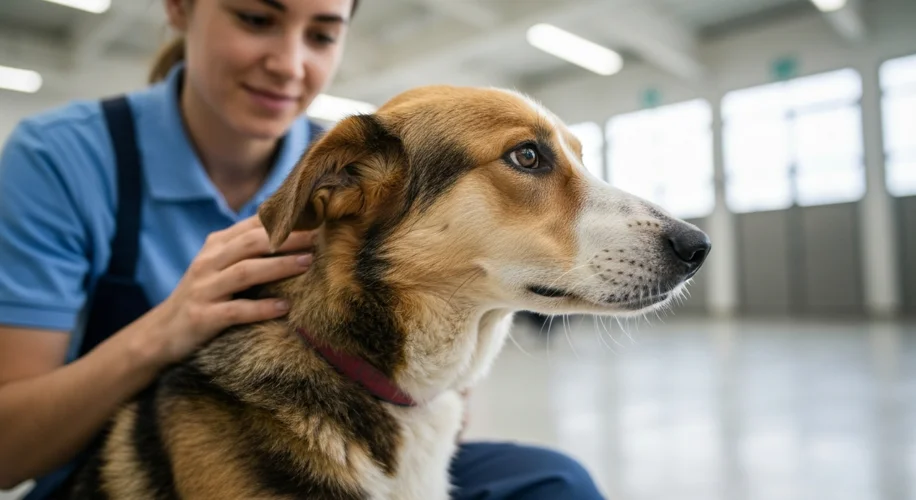
On the other side of the debate are those who defend the trade, often older generations who grew up with it as a part of their cultural heritage. They view the activists as foreign meddlers imposing their values and argue that banning the trade infringes on traditional practices and freedom of choice. Farmers and vendors in the industry also highlight the economic impact of a ban, emphasizing the livelihoods at stake. The arguments often center on the distinction between companion animals and food animals, a line that has become increasingly blurred in the modern era.
The Path Forward: A Nation at a Crossroads
The South Korean government has found itself navigating this complex terrain. In January 2024, a landmark bill was passed by the National Assembly, effectively banning the breeding, slaughter, and sale of dog meat for consumption, with a grace period for implementation. This legislative move, a culmination of years of activism and shifting public sentiment, signals a monumental shift. While the ban aims to address ethical concerns and improve the nation’s international image, the transition will undoubtedly be challenging, requiring support for those whose livelihoods are affected and a continued societal dialogue about tradition, modernity, and compassion.
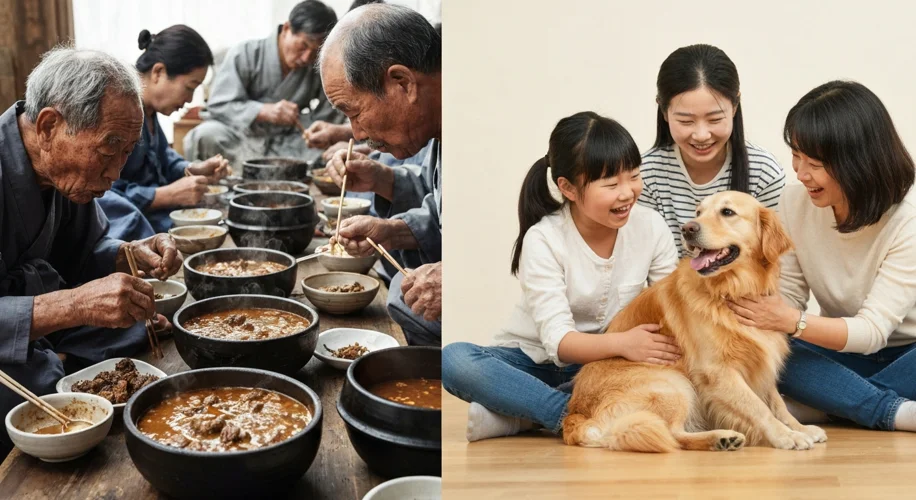
The history of the dog meat trade in Korea is a microcosm of broader societal changes. It is a story of survival, culture, and the evolving relationship between humans and animals. As South Korea moves forward, the echoes of this age-old tradition will undoubtedly linger, but the overwhelming momentum appears to be towards a future where the bond between humans and dogs is defined not by the plate, but by companionship and mutual respect.