

The latter half of the 20th century witnessed a profound economic rebirth for West Germany, a phoenix rising from the ashes of World War II. This period of “Wirtschaftswunder” – the economic miracle – not only transformed Germany itself but also sent ripples across the globe, most notably through its burgeoning foreign investment. Among the most significant beneficiaries of this German economic resurgence was the United States, a relationship forged in the crucible of post-war necessity and evolving geopolitical currents.
The geopolitical landscape following World War II was a starkly divided one. The Cold War cast a long shadow, and Western nations, including the United States, sought to rebuild and strengthen allies against the perceived threat of Soviet expansion. For West Germany, this meant a period of intense focus on economic reconstruction, heavily aided by initiatives like the Marshall Plan. As the German economy stabilized and began to flourish, its corporations, once viewed with suspicion, started looking outward, seeking new markets, resources, and opportunities for growth.
The United States, with its vast market, stable political system, and technological prowess, presented an attractive destination. Early German investments, beginning in the 1950s and gaining momentum through the 60s and 70s, were often strategic. Companies sought to establish a foothold in the American market, sometimes through acquisitions of existing businesses, other times by building new production facilities. These investments were not merely about profit; they were also a powerful statement of West Germany’s reintegration into the Western economic order and a testament to its recovering industrial might.
Consider the automotive sector. German giants like Volkswagen and Mercedes-Benz, after navigating the immediate post-war years, began to see the immense potential of the American consumer. Volkswagen’s “Beetle” became an iconic symbol of affordable, reliable transportation for a generation of Americans. This wasn’t just about selling cars; it represented a cultural exchange, a tangible presence of German engineering and design on American soil. Similarly, Mercedes-Benz cemented its image as a purveyor of luxury and performance, establishing a strong dealer network and brand loyalty.

The 1970s and 80s saw a diversification of German investment. Beyond automobiles, sectors like chemicals, pharmaceuticals, and machinery also saw significant German capital flowing into the US. Companies like Bayer, BASF, and Siemens established research facilities, manufacturing plants, and sales offices, becoming integral parts of the American industrial fabric. This period was also influenced by the Plaza Accord of 1985, which led to a significant devaluation of the US dollar, making American assets more attractive for foreign investors, including the Germans.
However, this economic engagement was not without its complexities. The historical baggage of World War II loomed large, and German investments, while welcomed for their economic benefits, were sometimes viewed with a degree of caution. Yet, the overwhelming narrative became one of successful integration and partnership. German firms often brought advanced technology, efficient management practices, and a commitment to quality, contributing to job creation and economic growth in the United States.
The fall of the Berlin Wall in 1989 and the subsequent reunification of Germany in 1990 marked another significant shift. While the immediate focus was on integrating the East German economy, the newly unified Germany continued its role as a major global investor. The late 1990s and early 2000s saw continued, albeit perhaps less dramatically increasing, German investment in the US, driven by global trade liberalization and the ongoing integration of European economies.
From a political perspective, these investment trends served as a quiet but powerful force in solidifying the transatlantic alliance. Economic interdependence fostered stronger diplomatic ties and mutual understanding. The presence of major German corporations operating successfully within the US created a vested interest in maintaining stable and cooperative relations between the two nations.
Analyzing these trends reveals a dynamic interplay of economic opportunity, geopolitical strategy, and historical context. The German investment in the US during the latter half of the 20th century was more than just a series of financial transactions; it was a narrative of recovery, partnership, and the enduring power of global economic integration. It demonstrated how former adversaries could transform into crucial economic partners, building a shared future on foundations of mutual benefit and a commitment to a stable, prosperous world.
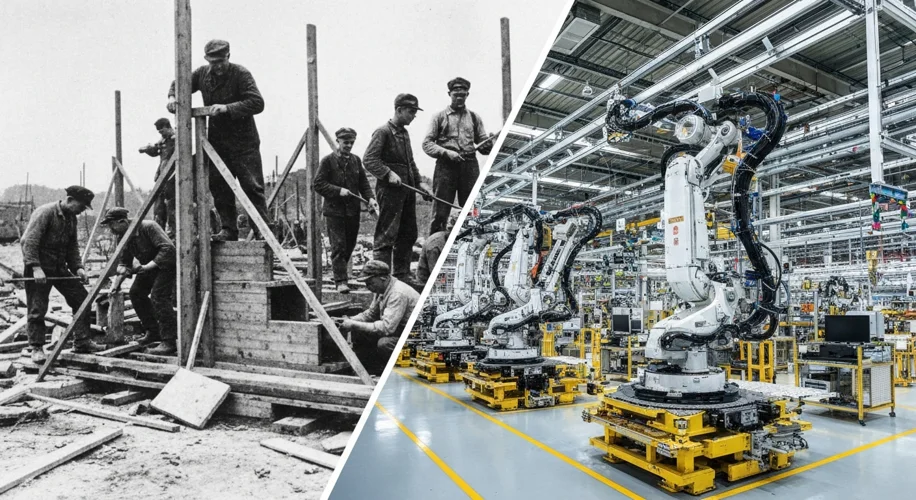
Today, German companies remain some of the largest foreign investors and employers in the United States, a legacy built over decades of strategic engagement and mutual economic advantage. The story of German investment in the US is a compelling chapter in the larger narrative of post-war global economic reordering, showcasing resilience, adaptation, and the transformative power of enterprise.