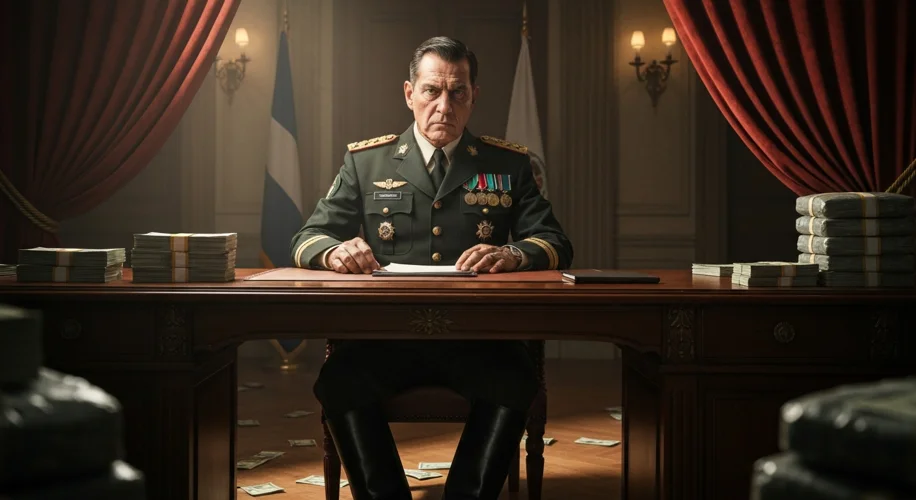
The humid air of Central America often carries whispers of power, ambition, and the deep, tangled roots of corruption. In Honduras, during the late 20th century, these whispers coalesced around one man: a former president whose tenure was marked by an alleged descent into the murky underworld of drug trafficking. His story is a stark reminder of how the pursuit of power can intertwine with illicit activities, leaving a lasting scar on a nation.
The story of this Honduran strongman, whose name became synonymous with both political power and shadowy dealings, began not with a bang, but with the calculated accumulation of influence. In the complex geopolitical landscape of the late 1980s and early 1990s, Honduras, like many of its neighbors, was caught in the crosscurrents of the Cold War and the burgeoning War on Drugs. The United States, deeply invested in regional stability and combating leftist movements, often turned a blind eye to the methods employed by leaders who pledged allegiance and maintained order.
This former president, let us call him ‘El Tigre’ for the ferocity he projected, was no stranger to the corridors of power. Rising through the ranks of Honduran politics, he cultivated an image of a decisive leader, a man who could bring order to a nation often teetering on the brink of instability. His early years in office were characterized by populist rhetoric and ambitious infrastructure projects, earning him a significant base of support. He understood the levers of power, how to reward loyalty, and, as allegations would later suggest, how to leverage illicit gains to maintain his grip.
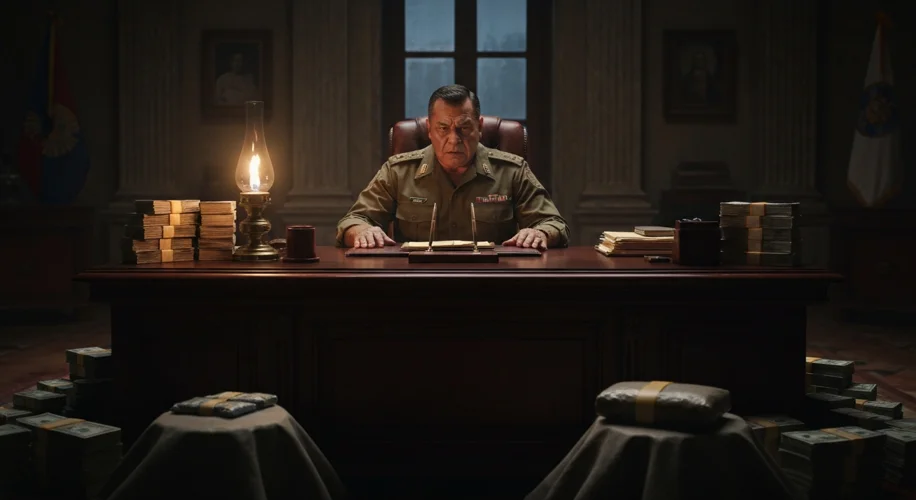
But beneath the veneer of strong leadership, a darker narrative began to emerge. Whispers from the underworld, corroborated by intelligence reports from foreign governments, painted a picture of a man deeply enmeshed in the drug trade. Honduras, strategically located between South America and the United States, had become a vital transit point for cocaine destined for North American markets. It is alleged that ‘El Tigre’ not only tolerated this trade but actively facilitated it, using his presidential authority to protect shipments, bribe officials, and silence critics.
The key actors in this unfolding drama were not just ‘El Tigre’ and his inner circle. The United States, through its anti-drug agencies and diplomatic channels, found itself in a precarious position. On one hand, they were waging a war against narcotics; on the other, they relied on leaders like ‘El Tigre’ to counter regional instability and ideological threats. This created a classic case of conflicting priorities, where the desire to eliminate drugs clashed with the imperative of maintaining political alliances.
Testimony from informants, seized documents, and international investigations began to chip away at ‘El Tigre’s’ carefully constructed image. Accounts emerged of clandestine meetings, massive bribes exchanged for protection, and the systematic corruption of state institutions. The profits from drug trafficking, it is claimed, were not only used to fund his political campaigns but also to enrich his family and allies, creating a patronage network that was virtually impenetrable.
The alleged drug trafficking activities did not occur in a vacuum. They were, according to many analyses, intrinsically linked to the political climate of the era. The vast sums of money generated by the illicit trade provided an unparalleled advantage in elections, effectively poisoning the democratic process. Furthermore, the fear and intimidation tactics allegedly employed by ‘El Tigre’s’ associates ensured that opposition was stifled and dissent was crushed.
The consequences of this alleged corruption were devastating for Honduras. The nation’s institutions were weakened, its economy was distorted by illicit flows of capital, and its international reputation was tarnished. The rule of law was undermined, and a climate of impunity began to take root, fostering further corruption and violence. The trust between the people and their government eroded, a wound that would take generations to heal.
Ultimately, ‘El Tigre’s’ reign ended not with a triumphant farewell, but with a dramatic fall from grace. Facing mounting international pressure and internal dissent, he was eventually ousted from power. Though the legal battles were protracted and complex, and the full extent of his alleged involvement often debated, his presidency serves as a potent case study in the destructive potential of unchecked power and the corrosive influence of drug trafficking on political systems.
The legacy of ‘El Tigre’ continues to cast a long shadow over Honduras. His story is a stark reminder that the fight for democracy and good governance is a continuous struggle, one that requires vigilance against the siren song of illicit wealth and the corrupting embrace of power. It is a narrative woven into the fabric of Central American history, a cautionary tale of ambition gone awry, and a testament to the resilience of the human spirit in the face of profound adversity.