
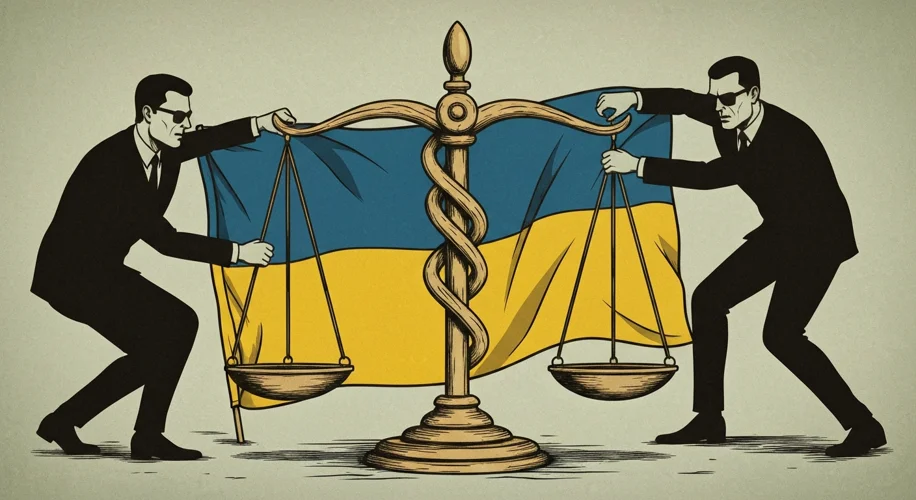
The collapse of the Soviet Union in 1991 did not usher in an era of immediate prosperity and stability for Ukraine. Instead, it plunged the newly independent nation into a turbulent period of economic transition, political upheaval, and a deeply entrenched culture of corruption that threatened to suffocate its democratic aspirations.
Imagine a nation, once a breadbasket of a vast empire, now grappling with the specter of widespread graft. From the highest echelons of government to the everyday interactions of its citizens, corruption had woven itself into the fabric of Ukrainian society. State assets were privatized in opaque deals, often benefiting a select few. Public services, from healthcare to education, became a marketplace where bribes greased the wheels of access. This wasn’t just a financial drain; it was a moral corrosion that eroded public trust and stifled genuine progress.
The early years of independence were marked by a fragile democracy, often swayed by the oligarchs who emerged from the post-Soviet scramble. These powerful figures, who controlled vast swathes of the economy, wielded significant influence over political decisions, often at the expense of the general populace. Corruption became a tool of political and economic power, a shadowy force that dictated the flow of capital and the direction of policy.
However, the spirit of the Ukrainian people, forged in centuries of resilience, refused to be entirely subdued. As the decades rolled by, frustration simmered, culminating in a series of seismic events that would force the nation to confront its demons. The Orange Revolution of 2004, a powerful wave of popular protest against electoral fraud, was a potent symbol of this burgeoning defiance. While not solely an anti-corruption movement, it laid bare the deep-seated discontent with the existing power structures, where corruption often played a significant role.
The true reckoning, however, began to take shape in the years that followed. Fueled by a desire for genuine reform and inspired by the ongoing struggle against kleptocracy, various anti-corruption initiatives started to gain traction. These were not always coordinated, top-down affairs. Often, they were grassroots movements, fueled by civil society organizations, investigative journalists, and passionate young activists. They worked tirelessly, often at great personal risk, to expose illicit dealings, document corruption, and demand accountability.
One of the most significant periods of anti-corruption fervor arrived in the wake of the Euromaidan Revolution in 2014. This pivotal event, which ousted a pro-Russian president, paved the way for a new wave of reforms, with anti-corruption efforts at the forefront. International partners, recognizing the critical importance of tackling graft for Ukraine’s stability and integration with Europe, lent their support. New institutions were established, such as the National Anti-Corruption Bureau of Ukraine (NABU) and the Specialized Anti-Corruption Prosecutor’s Office (SAPO).
The work of these new bodies was often fraught with peril. They faced immense pressure from vested interests, encountered bureaucratic stonewalling, and sometimes even threats to their personal safety. Investigators unearthed elaborate schemes involving state capture, embezzlement of public funds, and illicit enrichment. High-profile cases targeting politicians, judges, and business tycoons became emblematic of this struggle. For instance, the investigations into the dealings of figures like Hennadiy Korban and Ihor Kolomoyskyi highlighted the deep-rooted nature of corruption and the formidable challenges in dismantling it.
The political ramifications were profound. Anti-corruption efforts became a litmus test for political leaders, with public opinion sharply divided on their effectiveness and sincerity. Some politicians embraced the reform agenda, while others resisted, often through legal maneuvers or political obstruction. The very act of prosecuting and convicting corrupt officials, however minor, sent ripples of hope through a population weary of impunity.
Looking back, Ukraine’s post-Soviet journey has been a relentless battle against the corrosive influence of corruption. The anti-corruption raids and investigations, while often yielding mixed results and facing significant setbacks, represent a crucial and ongoing struggle for the nation’s soul. They are a testament to the unyielding spirit of those who believe in a Ukraine free from the shackles of graft, a Ukraine where justice and accountability are not mere aspirations, but lived realities.
The fight for transparency and integrity continues, a vital chapter in Ukraine’s unfolding story, echoing with the winds of change that have swept across the nation since its independence.