California, a land often idealized for its sunshine and innovation, has a history shadowed by the recurring specter of gun violence and mass shootings. This is not a new phenomenon, but rather a grim narrative woven into the state’s fabric, stretching back through decades of social change, technological advancement, and evolving cultural attitudes toward firearms.
From the early days of the 20th century, when firearms were more accessible and societal norms differed greatly, to the present, California has been a stage for some of the nation’s most tragic and impactful acts of gun violence. These events have not only devastated communities but have also served as potent catalysts for national conversations and legislative action, however fraught and contentious.
The roots of gun violence in California are complex, intertwined with its rapid growth, diverse population, and periods of intense social upheaval. The Gold Rush era, for instance, was marked by lawlessness and a frontier mentality where firearms were commonplace, leading to frequent violent encounters. While not mass shootings in the modern sense, these early incidents laid a foundation of firearm prevalence in certain contexts.
As California grew, so did its population and its challenges. The mid-20th century saw significant social and political shifts. The 1960s, a time of widespread civil unrest and protests, also witnessed instances of extreme violence. The Watts Riots in 1965, while primarily a civil disturbance, involved firearms and underscored underlying tensions that could erupt into violence.
However, it was the latter half of the 20th century that saw the emergence of events that would become tragically synonymous with the term “mass shooting.” The late 1970s and 1980s brought a series of horrific crimes that shocked the nation and, in many ways, predated the widespread media saturation we experience today.
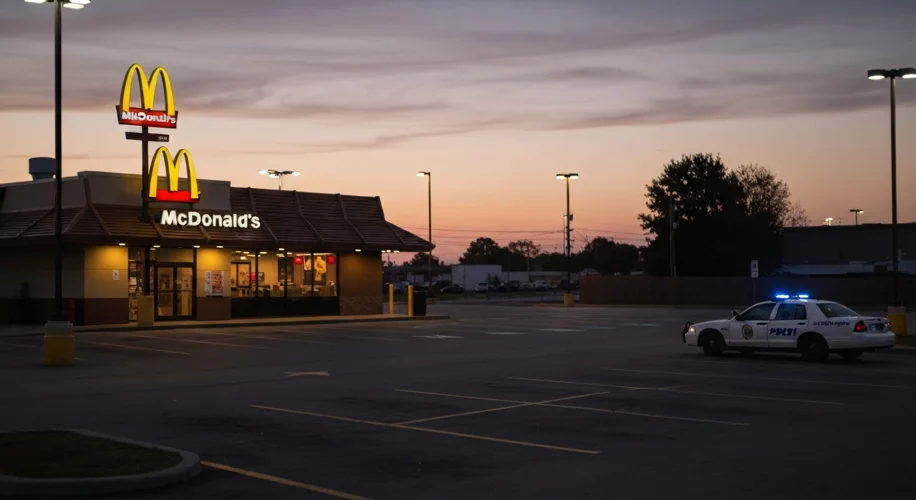
One of the most chilling events occurred on January 29, 1979, in San Ysidro, near the Mexican border. A 41-year-old man, armed with a semi-automatic rifle, shotgun, and handgun, entered a McDonald’s restaurant and opened fire, killing 21 people and wounding 19. This act of calculated, indiscriminate violence was one of the deadliest mass shootings in U.S. history at the time. The sheer brutality and randomness of the San Ysidro McDonald’s massacre left an indelible scar on the community and on the national consciousness.

Following such events, the calls for stricter gun control grew louder. California, with its progressive political leanings, often found itself at the forefront of these debates. In the years after San Ysidro, legislation was introduced and debated, reflecting the deep societal divisions over gun rights.
The 1990s continued to be a period of significant gun violence. The “Long Beach Massacre” in 1993, where a disgruntled former Marine killed 13 people at a dance hall, was another stark reminder of the pervasive threat. This event, like others, highlighted the dangers posed by individuals with military training and access to high-powered weapons.
The turn of the millennium brought no respite. The 2015 San Bernardino attack, where a married couple killed 14 people at a holiday party for county employees, underscored the evolving nature of such violence, with chilling connections to international extremist groups. The attackers used legally purchased assault-style rifles and handguns, reigniting debates about the accessibility of such weapons to individuals who may pose a threat.
More recently, the 2017 Las Vegas shooting, though occurring just across the state line in Nevada, had profound ripple effects in California due to the sheer number of victims and the proximity of the event to the state’s largest metropolitan areas. The shooter, from a California suburb, opened fire on a crowd attending a music festival, killing 60 people and injuring hundreds more. The scale of the carnage was unprecedented and served as a grim testament to the devastating potential of readily available firearms.
These events are not isolated incidents; they are part of a larger, more complex history. The cultural context surrounding firearms in California is a tapestry woven with threads of self-defense, sport, collection, and, tragically, violence. The state has grappled with its relationship with guns, leading to some of the nation’s strictest gun control laws, including assault weapon bans, universal background checks, and red flag laws. Yet, the violence persists, underscoring the multifaceted nature of the problem, which extends beyond legislation to include mental health, socioeconomic factors, and cultural attitudes.
The impact of these shootings is immeasurable. Families are shattered, communities are traumatized, and the collective psyche of a state is altered. Each incident leaves behind a trail of grief, fear, and unanswered questions. The political landscape is continually reshaped by these tragedies, with each event fueling renewed calls for action and fierce opposition from gun rights advocates.
California’s history with gun violence and mass shootings is a somber chapter in its past and a pressing concern for its future. It is a story of loss, resilience, and an ongoing, often agonizing, search for solutions in a deeply divided society. The “sunshine state” has, for too long, been illuminated by the crimson tide of violence, a testament to a persistent struggle that demands our continued attention and understanding.