
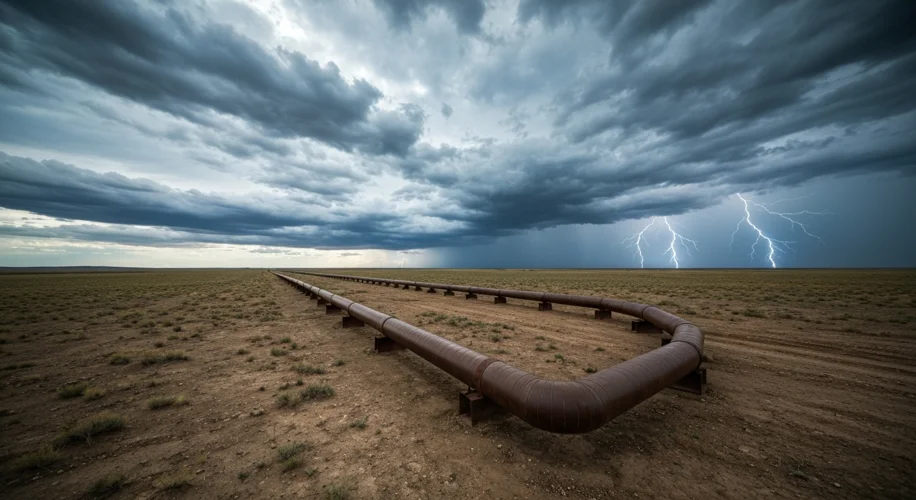
The vast, wind-swept steppes of Kazakhstan, a land historically shaped by nomadic traditions and imperial ambitions, are now a critical nexus of global energy. Beneath its seemingly endless plains lies a treasure trove of oil, a resource that fuels not only its own development but also the industries and economies of nations far across the oceans. For decades, Kazakhstan has quietly ascended to become one of the world’s most significant oil exporters, its energy sector a vital artery in the complex circulatory system of global geopolitics.
This intricate dance of supply and demand, of resources and influence, was starkly highlighted in early 2025. The seemingly robust flow of Kazakh oil, a constant presence for global markets, was abruptly halted. The cause? An attack on a critical oil terminal, a violent disruption that sent shockwaves far beyond Kazakhstan’s borders. This event wasn’t merely an operational setback; it was a potent reminder of how the energy sector, particularly in strategically important regions like Kazakhstan, is inextricably linked to international stability and diplomatic relations.
The attack on the terminal, the precise details of which remain shrouded in varying accounts and geopolitical interpretations, served as a flashpoint. While investigations continue, the immediate consequence was clear: Kazakhstan, citing security concerns, suspended its oil exports. This decision, though born out of necessity to protect its infrastructure and personnel, immediately impacted global energy markets. Prices, already sensitive to geopolitical tremors, began to climb. Nations heavily reliant on Kazakh crude faced the prospect of shortages, prompting urgent diplomatic engagements and contingency planning.
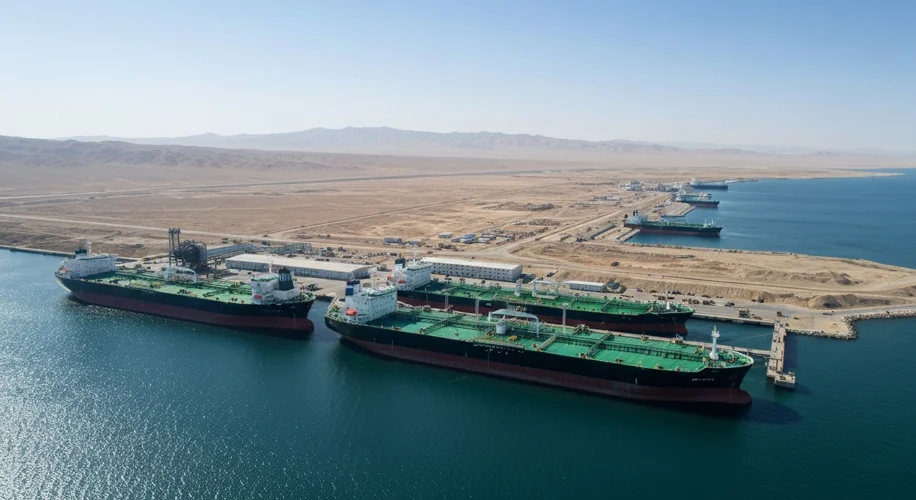
The key actors in this unfolding drama were diverse, each with their own stake and perspective. Kazakhstan, a landlocked nation with significant oil reserves, found itself at the center of a geopolitical storm. Its government, led by President Kassym-Jomart Tokayev, was tasked with balancing national security imperatives with its crucial role as a global energy supplier. On the other side were the importing nations, particularly those in Europe and Asia, who relied on Kazakh oil to power their economies. Their concerns ranged from economic stability to energy security, leading to a flurry of diplomatic overtures and calls for swift resolution.
Adding to the complexity were the regional powers and international organizations. Russia, with its own significant energy interests and historical influence in Central Asia, watched the situation closely. The European Union, striving for energy independence and diversification, saw the interruption as a stark reminder of its vulnerabilities. The United States, with its broader geopolitical interests, also engaged, seeking to ensure market stability and prevent potential escalation.
The attack itself, and the subsequent export halt, was a dramatic illustration of the fragile interconnectedness of the global energy landscape. For years, Kazakhstan has leveraged its strategic location and substantial oil reserves to assert its influence on the world stage. Its primary export routes, often passing through complex geopolitical corridors, are themselves a subject of international negotiation and sometimes, contention. The Caspian Pipeline Consortium (CPC) pipeline, a crucial artery for transporting Kazakh oil to global markets, has often been a focal point for discussions regarding transit fees, security, and international cooperation.
The immediate aftermath of the export suspension saw a palpable tension in international energy markets. Futures contracts saw significant fluctuations, and analysts warned of potential price spikes if the disruption persisted. For consumers, this translated to concerns about rising fuel costs and potential energy rationing in some regions. Diplomatically, the situation prompted a series of high-level meetings and consultations. Kazakhstan’s government faced pressure to resume exports, while also needing to demonstrate its capacity to protect its vital energy infrastructure.
The consequences of this event extend beyond immediate market fluctuations. It underscored the strategic importance of Central Asian energy resources and the inherent risks associated with their transit. For Kazakhstan, it highlighted the need for enhanced security measures and potentially, the diversification of export routes to mitigate future risks. For importing nations, it served as a stark warning about the perils of over-reliance on any single source of energy and the necessity of a robust energy security strategy.
This incident is a microcosm of the broader geopolitical forces at play in the 21st century. As global demand for energy continues to grow, the importance of stable and secure supply chains becomes paramount. Kazakhstan, with its vast oil reserves, is a pivotal player in this arena. Its ability to navigate the complex geopolitical currents, ensure the security of its energy infrastructure, and maintain stable export flows will continue to shape its own future and the stability of the global energy market.
The attack on the terminal, and the subsequent halting of exports, was not just an isolated incident; it was a dramatic punctuation mark in the ongoing narrative of energy geopolitics. It demonstrated how a disruption in one region can have far-reaching international repercussions, leading to economic uncertainty, diplomatic standoffs, and a renewed focus on the critical role that nations like Kazakhstan play in powering the modern world.