

California, a state long at the forefront of both welcoming immigrants and grappling with the complexities of their presence, has recently launched an online portal for reporting alleged misconduct by U.S. Immigration and Customs Enforcement (ICE) officers. This move, while seemingly modern, is steeped in a deep and often contentious history of immigration enforcement and civil liberties in the United States, a narrative that has played out with particular intensity in border states like California.
The story of immigration enforcement in California is not a recent one; it’s a saga woven into the very fabric of the state’s development. From the Gold Rush era, when prospectors of all nationalities flocked to the Sierras, to the present day, California has been a magnet for those seeking a better life. Yet, alongside this narrative of opportunity runs a darker thread of suspicion, exclusion, and sometimes outright hostility towards newcomers.
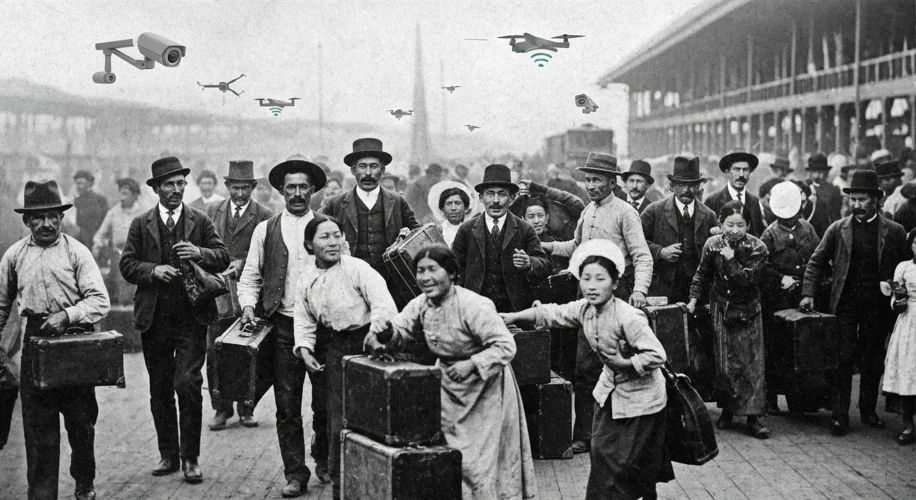
Consider the early 20th century. While California was booming, driven in part by the labor of Chinese immigrants who helped build its railroads and farms, discriminatory laws like the Chinese Exclusion Act of 1882 sought to halt their entry. This legislation, the first in U.S. history to ban a specific ethnic group, created a climate of fear and injustice, leading to raids, deportations, and the denial of basic human rights. The “Gentlemen’s Agreement” of 1907, a deal with Japan to restrict emigration, followed suit, demonstrating a pattern of using international agreements to enforce domestic exclusion.
Even during times of great need, immigration policy has often been shaped by prevailing social and economic anxieties. The Bracero Program, initiated during World War II (1942-1964), brought millions of Mexican laborers to the U.S. to address wartime agricultural labor shortages. While intended to be temporary, the program became a complex system with its own set of abuses and challenges, highlighting the precarious position of temporary workers and the persistent tension between labor demands and enforcement.
The latter half of the 20th century and the dawn of the 21st saw a significant escalation in immigration enforcement. The creation of ICE in 2003, following the Department of Homeland Security’s establishment after 9/11, marked a new era of centralized, aggressive enforcement. Increased border militarization, high-profile raids, and expanded detention facilities became hallmarks of this period. These tactics, while aimed at deterring illegal immigration and ensuring national security, have frequently raised alarms among civil liberties advocates and immigrant rights groups.
Key actors in this ongoing drama have included presidents and lawmakers enacting policies, law enforcement agents on the ground, and the immigrants themselves – individuals and families often caught between the promise of American life and the harsh realities of enforcement. Perspectives are starkly divided: some view robust enforcement as essential for maintaining order and sovereignty, while others see it as a violation of fundamental human rights and a detriment to the nation’s diverse cultural fabric.
The recent launch of California’s reporting portal taps directly into this history of contested enforcement. It suggests a growing public demand for accountability and transparency from immigration authorities. This move can be seen as a response to numerous documented cases of alleged profiling, excessive force, and due process violations that have plagued immigration enforcement across the country. The portal is a digital manifestation of decades of advocacy and outcry from communities who have felt targeted and mistreated.
The consequences of strict immigration enforcement, and the civil liberties concerns it raises, are profound. They extend beyond the individuals directly impacted to shape the social, economic, and political landscape of states like California. Communities can become divided by fear, trust between law enforcement and residents erodes, and the fundamental principles of justice and due process are called into question. The economic impact is also debated, with some arguing that stringent enforcement harms industries reliant on immigrant labor, while others prioritize the rule of law above all.
Ultimately, California’s new reporting portal is more than just a technological innovation; it’s a contemporary echo of a long and often painful historical struggle. It signifies a public assertion that the rights and dignity of all individuals, regardless of immigration status, must be paramount. As the nation continues to grapple with immigration policy, understanding this deep historical context is crucial for navigating the present and shaping a more just future. The portal, in its own way, is a testament to the enduring power of citizens to demand accountability, a ripple from the past demanding to be heard in the present.