
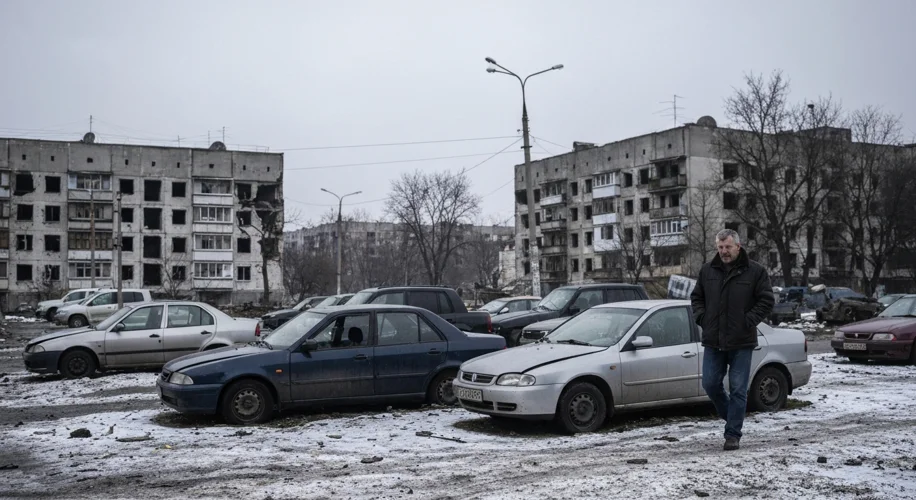
The early days of March 2022 were cloaked in the chilling grip of winter and the even more chilling reality of war. In the satellite town of Bucha, on the outskirts of Kyiv, Ukraine, a different kind of darkness was descending – one of unimaginable human cruelty. As Russian forces advanced, then retreated, they left behind a tableau of horror that would forever stain the town’s name and the conscience of the world.
For weeks, Bucha had been under siege. The sounds of artillery fire were a constant, terrifying lullaby. Families huddled in basements, the scent of damp earth and fear their only companions. Food and water dwindled. The rhythm of life, once dictated by school bells and morning commutes, was now solely governed by the explosions and the desperate need for survival.

When the Russian military withdrew from Bucha on March 31, 2022, it was not a moment of liberation, but the opening of a horrifying chapter. The world watched, aghast, as images and reports began to emerge from the Ukrainian town. Streets that had once bustled with daily life were now strewn with the bodies of civilians. The scale of the alleged atrocities was staggering.
Testimonies from survivors painted a grim picture. People were shot in their homes, in their gardens, or while trying to flee with white armbands, a universal symbol of civilian status. Some were found bound, their eyes blindfolded, before being executed. Others were victims of indiscriminate shelling and starvation. The sheer brutality, the apparent disregard for innocent life, sent shockwaves across the globe.
One of the most harrowing accounts came from a resident who described seeing his neighbor, a man in his sixties, shot dead by Russian soldiers simply for stepping outside his home. Another spoke of a family – parents and two children – found dead in their car on a road leading out of town, their hands tied behind their backs.
As Ukrainian forces regained control, the grim task of documenting the evidence began. Forensic teams, international investigators, and journalists worked tirelessly, their faces etched with grief and determination. Satellite imagery later provided crucial corroboration, showing bodies on streets during the period of Russian occupation, contradicting claims that the killings occurred after their withdrawal.
The implications of the Bucha massacre were profound. It became a potent symbol of the wider conflict, fueling international condemnation of Russia’s actions and calls for accountability. The events in Bucha galvanized support for Ukraine, with many nations imposing further sanctions and providing increased military aid. The International Criminal Court launched investigations into alleged war crimes, seeking to bring those responsible to justice.
The massacre in Bucha serves as a stark, brutal reminder of the human cost of war. It is a story etched not in grand pronouncements or strategic maneuvers, but in the silent, agonizing screams of innocent civilians. The scars on Bucha run deep, a permanent testament to the unspeakable horrors that can unfold when humanity’s basest instincts are unleashed in the crucible of conflict. The world must never forget Bucha, for in remembering, we honor the victims and reaffirm our commitment to a future where such atrocities are met with unwavering justice and collective condemnation.