

The quiet hum of electricity, the steady flow of water, the reliable pulse of communication – these are the unseen arteries of modern life. We often take them for granted, until they are gone. In the small Ohio town of New Straitsville, a recent spate of power line wire thefts served as a stark reminder of our vulnerability. But this isolated incident, while disruptive to a single community, is merely a modern echo of a much older, and more pervasive, form of crime: the theft of essential infrastructure.
The allure of scrap metal, particularly copper, has long driven individuals to exploit the very systems that keep our society functioning. Copper, a highly conductive and valuable metal, is woven into the fabric of our power grids. When thieves strip these lines, they don’t just steal wire; they sever lifelines. Businesses grind to a halt, homes plunge into darkness, and the essential services we depend on – from traffic lights to hospital equipment – are compromised.
This isn’t a new phenomenon. The history of infrastructure crime stretches back to the earliest days of public utilities. Imagine the shock in Victorian England when gas lamps, newly installed to illuminate city streets, became targets for thieves eager to salvage the valuable brass fittings. Or consider the early telephone networks, where copper wires were pried from poles, disrupting not just conversations, but also the nascent emergency services.

These acts of vandalism and theft are not mere petty crimes. They are assaults on the collective well-being of a community. The impact is immediate and far-reaching. In New Straitsville, residents experienced the frustration of extended power outages, the spoilage of food, and the anxiety that comes with living in darkness. For businesses, it meant lost revenue and potential damage to sensitive equipment. The cost of repair, often borne by the utility company and ultimately passed on to consumers, adds another layer of burden.
The motivations behind such crimes are often rooted in economic desperation. In communities struggling with unemployment and poverty, the immediate financial gain from selling stolen scrap metal can seem like a lifeline, however short-sighted. However, this pursuit of quick cash ignores the devastating ripple effect on the entire community. It’s a tragic irony: stealing the very infrastructure that could support economic recovery also cripples it.
The challenges in combating this type of crime are significant. Power lines are often located in remote or hard-to-access areas, making them difficult to patrol. The sheer scale of the electrical grid means that even with increased vigilance, the vulnerabilities remain. Furthermore, the metal recycling industry, while legitimate, can become an unwitting or complicit partner in these crimes if proper oversight and regulations are not in place.
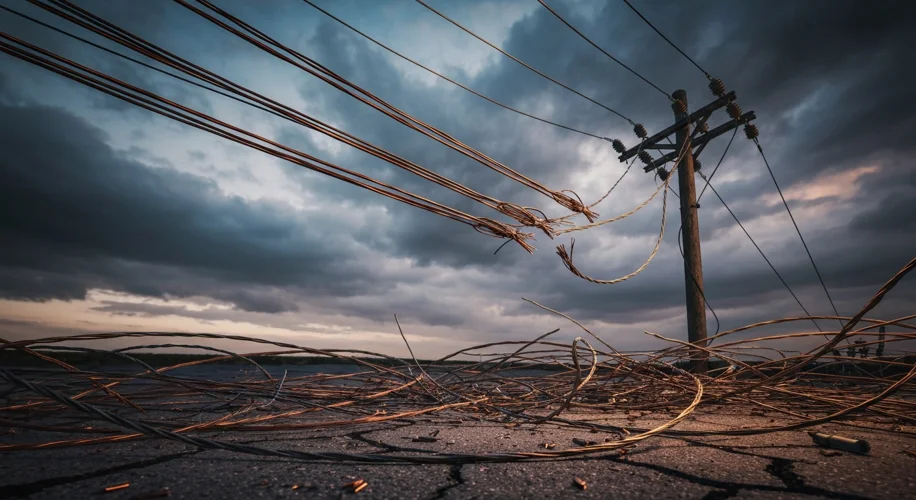
Looking beyond the immediate disruption, the history of infrastructure crime reveals a deeper societal struggle. It highlights the tension between our increasing reliance on complex technological systems and the enduring human drive for immediate gain, sometimes at the expense of collective security. It forces us to confront the inequalities that can lead individuals to such desperate measures and to consider how we can build more resilient communities, both physically and economically.
The theft of power lines in an Ohio town may seem like a small story, but it’s a potent reminder of our interconnectedness. It’s a call to action to protect the vital infrastructure that underpins our daily lives, to support communities facing these challenges, and to remember that the hum of electricity is a fragile gift, one that requires constant vigilance to maintain.