

The crisp Colorado air on Christmas morning in 1996 carried a silence that would soon shatter, echoing through a nation and leaving behind a chilling, unresolved mystery. In the affluent city of Boulder, a six-year-old beauty queen, JonBenét Ramsey, vanished from her home. What began as a desperate search for a missing child quickly devolved into a complex and deeply disturbing crime scene, a labyrinth of unanswered questions, and a case that continues to grip the public imagination decades later.
JonBenét Ramsey was more than just a child; she was a fixture in the world of child beauty pageants. Her life, though tragically short, was marked by sequins, hairspray, and the dazzling smiles of a competitive arena. Her parents, John and Patsy Ramsey, a wealthy couple deeply involved in these pageants, often documented and promoted their daughter’s talents. However, behind the glitz and glamour of these competitions, a darker narrative was beginning to unfold.
The morning of December 26, 1996, dawned with a horrifying discovery. A ransom note, a seemingly meticulously crafted document demanding $118,000 for JonBenét’s safe return, was found on the kitchen floor of the Ramsey residence. It was a bizarrely worded note, filled with stilted language and an almost theatrical air, a stark contrast to the frantic pleas one might expect from a kidnapper. The amount demanded was curiously specific – the exact amount John Ramsey had recently received as a bonus. This detail, among many others, would later fuel intense scrutiny of the Ramsey family.
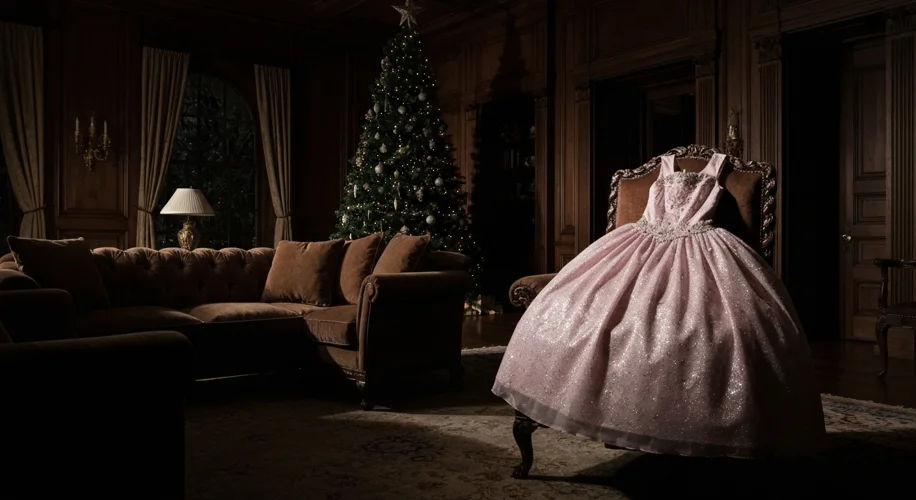
As the hours turned into days, the investigation intensified, but the initial response was fraught with confusion and controversy. The Boulder Police Department, facing immense public pressure and a media frenzy, struggled to navigate the complexities of the case. The crime scene itself was compromised, with the Ramsey family participating in the search for JonBenét before the area was fully secured. This early mishandling would become a recurring point of contention, leading to criticism and accusations of incompetence.
The autopsy revealed a grim truth: JonBenét had been sexually assaulted and then murdered. Her small body was found hours after the ransom note’s discovery in the basement of her own home, a chilling detail that suggested the perpetrator was someone intimately familiar with the house and its inhabitants. The method of death—a blow to the head followed by strangulation—was brutal and personal.
Suspicion, almost from the outset, swirled around the Ramsey family. The ransom note, found in the house, the specificity of the amount demanded, and the parents’ own sometimes contradictory statements fueled a narrative of a family covering up a terrible secret. Patsy Ramsey, JonBenét’s mother, a former beauty queen herself, became a central figure in the public’s speculation, her own history and motivations dissected by media and investigators alike. John Ramsey, the father, a successful businessman, also faced intense questioning and public scrutiny.
However, the investigation was far from straightforward. The ransom note’s authorship, the unique linguistic patterns, and the lack of definitive forensic evidence tying anyone directly to the crime created a frustrating stalemate. Theories abounded: was it an intruder, a pedophile ring, or a horrific domestic tragedy? Each possibility carried its own weight of evidence and paradox.
Over the years, numerous suspects and theories have emerged, each with its own set of proponents and detractors. From the enigmatic