
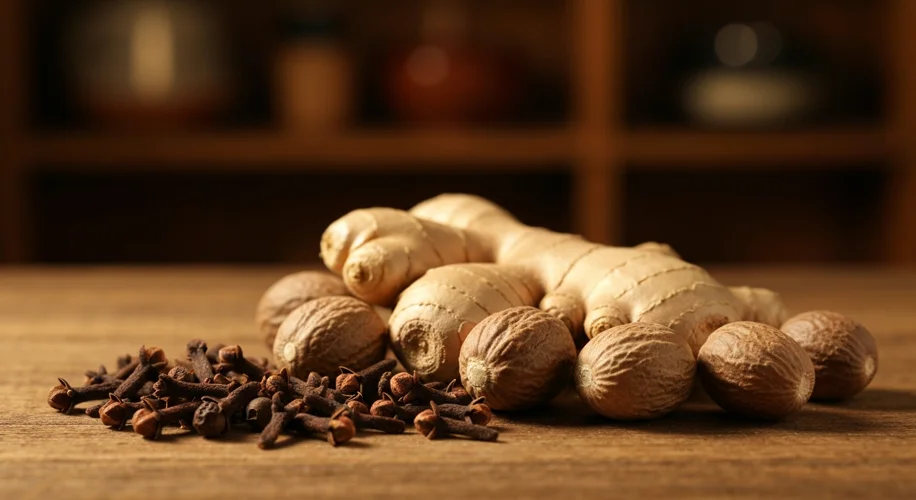
The air grows crisp, the days shorten, and a familiar chill settles in. As we gather around crackling fires and anticipate the festive season, our senses are often awakened by the warm, inviting aromas of ginger, clove, and nutmeg. These potent spices, now integral to our winter traditions, especially Christmas, have a history as rich and complex as their flavors. Their journey from sun-drenched tropical lands to the heart of Western kitchens is a saga of exploration, economic ambition, and profound cultural exchange.
Imagine a world before refrigerated transport, before global supply chains. Spices were not mere flavorings; they were potent commodities, prized for their preservative qualities, their medicinal properties, and their sheer exoticism. For centuries, the origins of many of these treasures remained shrouded in mystery to the Western world, fueling demand and driving adventurers and merchants to seek the fabled lands where they grew.
The Ancient Roots of Aromatic Power
Our story begins thousands of years ago in the lush, humid climates of Southeast Asia and India. Ginger, with its pungent, zesty kick, was first cultivated in the tropical rainforests of India. Clove, the dried flower bud of an evergreen tree native to the Moluccas Islands (the famed Spice Islands of Indonesia), offered a sweet, intensely aromatic warmth. And nutmeg, the seed of an evergreen tree from the Banda Islands, provided a complex, slightly sweet, and powerfully fragrant note.
These spices were not just for cooking. Ancient civilizations recognized their medicinal value. Ginger was used to treat digestive ailments and combat nausea. Cloves were employed as painkillers and antiseptics, and their oil was a potent anesthetic. Nutmeg was believed to have aphrodisiac qualities and was used to induce sleep and relieve pain.
The Silk Road and the Maritime Maze
The earliest trade routes were arduous. Spices traveled along the legendary Silk Road, a network of ancient trade routes connecting the East and West. Caravans laden with goods braved deserts, mountains, and treacherous passes to bring these precious commodities to the Mediterranean. From there, they were distributed further into Europe. Later, seafaring explorers charted new routes, particularly around the Arabian Peninsula and across the Indian Ocean, creating a maritime spice trade that was both lucrative and perilous.
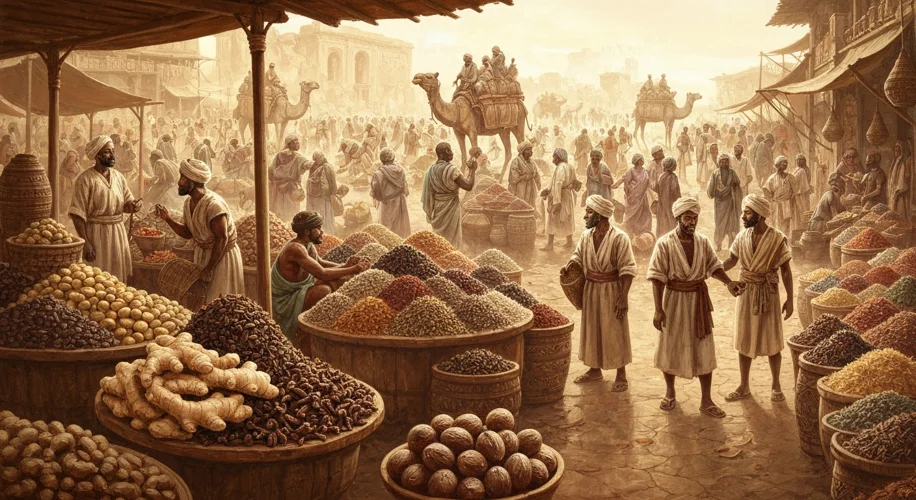
By the Middle Ages, Venice and Genoa had become the primary hubs for spice distribution in Europe. Italian merchants, often acting as middlemen, dictated prices, making spices an extreme luxury, accessible only to the wealthiest nobility and clergy. A pound of pepper could be worth as much as a man’s life, and a similar value was placed on cloves and nutmeg. These spices were not only used in food to mask spoilage and enhance flavor but were also burned as incense, used in perfumes, and incorporated into elaborate medicinal concoctions.
The Age of Discovery and the Quest for Control
The immense wealth generated by the spice trade fueled the Age of Discovery. European powers like Portugal, Spain, the Netherlands, and England became obsessed with bypassing the Italian and Arab intermediaries and gaining direct access to the source. This quest led to daring voyages of exploration, often fraught with danger, disease, and conflict.
Portuguese explorer Vasco da Gama’s successful sea voyage to India in 1498 was a watershed moment, opening a direct maritime route and beginning a period of Portuguese dominance. However, this was soon challenged by other European powers. The Dutch East India Company, established in the early 17th century, became particularly ruthless in its pursuit of a monopoly on the spice trade, especially cloves and nutmeg from the Moluccas. They employed brutal tactics, including the forced cultivation of spices, the destruction of groves that grew too much produce (to maintain high prices), and the violent suppression of local populations.
From Exotic Luxury to Winter Warmth
As trade routes became more established and spices, while still valuable, became more accessible, their role in Western cuisine began to shift. The intense, often overpowering flavors that were once used to mask less-than-fresh ingredients evolved. With the advent of better preservation techniques and a growing understanding of culinary arts, spices began to be used more judiciously to enhance and complement flavors.
It was during the colder months, particularly in Northern Europe, that ginger, clove, and nutmeg found their most enduring home. Their warming properties were highly sought after. Gingerbread, with its characteristic spicy warmth, became a staple. Cloves were studed into oranges or baked into fruits for a fragrant, festive treat. Nutmeg became an essential ingredient in custards, eggnogs, and baked goods, its complex aroma evoking feelings of comfort and home.
Christmas and the Spice Connection
The association of these spices with Christmas is particularly strong. The winter solstice marked a time of celebration and feasting in many pre-Christian cultures, and these warming spices naturally found their place in the seasonal festivities. As Christianity spread, many of these pagan traditions, including the use of spices in food and drink, were integrated into Christmas celebrations.
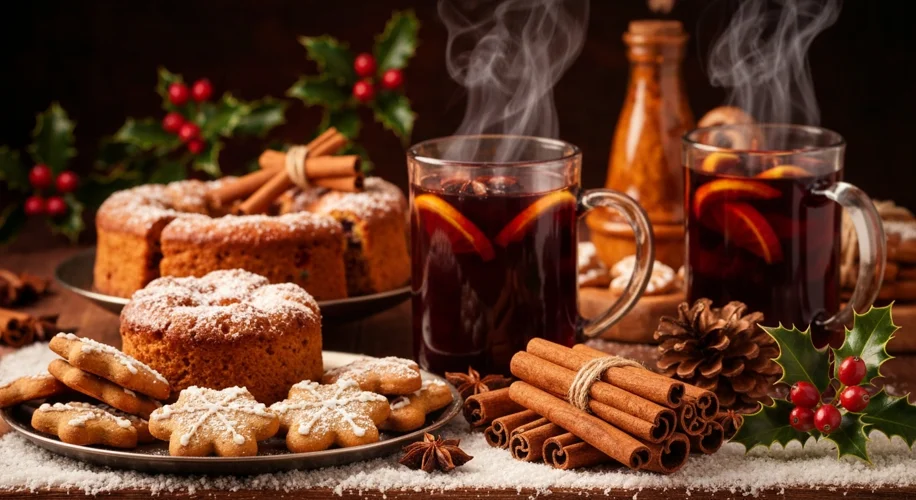
Gingerbread, often shaped into figures or houses, became a symbolic treat. The potent aroma of cloves, famously used to stud oranges for a pomander or infused into mulled wine, became synonymous with Christmas cheer. Nutmeg, grated over hot drinks or baked into holiday pies and cookies, added its unique comforting essence.
A Legacy of Flavor and Global Exchange
The journey of ginger, clove, and nutmeg from the tropics to our winter tables is a testament to the power of trade and cultural exchange. These spices not only transformed Western cuisine, particularly during the winter months, but also played a significant role in global exploration, economic development, and even colonial expansion. They are a reminder that our most cherished traditions often have roots that stretch across continents and centuries, woven from threads of human ingenuity, ambition, and a universal desire for flavor and warmth.
Today, as we savor a spiced cookie or a warm mug of mulled cider, we are partaking in a legacy that is thousands of years old. The humble spices that grace our holiday tables carry within them the echoes of ancient trade routes, daring voyages, and the vibrant cultural tapestry of our shared human history.