
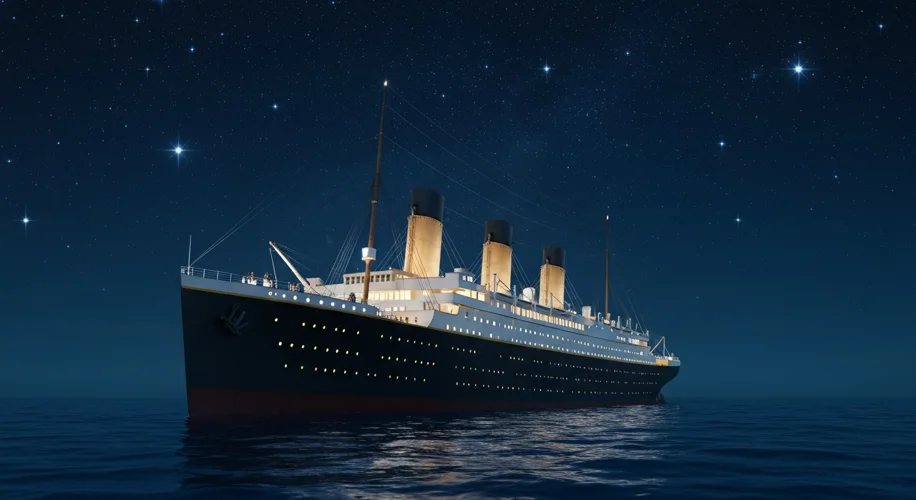
The night of April 14th, 1912, was a symphony of calm on the North Atlantic. The RMS Titanic, the largest, most luxurious ship ever built, sliced through the inky blackness, a testament to human engineering and ambition. Below decks, passengers reveled in an opulence rarely seen, from the gilded dining rooms to the opulent first-class suites. Above, in third class, families dreamt of new beginnings in America, their hopes as vast as the ocean stretching before them.
But this grand vessel, hailed as “unsinkable,” carried within it the seeds of its own destruction. The relentless pursuit of speed, the captain’s pride, and a string of ignored warnings coalesced into a tragic fate. The iceberg, a silent, monolithic entity in the darkness, represented nature’s indifference to human arrogance.
The Background: A World on the Brink of Change
At the dawn of the 20th century, the world was a place of rapid technological advancement and burgeoning global interconnectedness. The age of steam had shrunk distances, and the grand ocean liners were the ultimate expression of this new era. The White Star Line, keen to outdo its rival Cunard, commissioned the Olympic-class liners, with Titanic being the second and most celebrated. It was more than a ship; it was a floating palace, a symbol of the Edwardian era’s confidence and its stark social stratification.
The culture aboard the Titanic mirrored this societal structure. First-class passengers like John Jacob Astor IV, one of the wealthiest men in the world, and Benjamin Guggenheim, a mining magnate, moved in a sphere of privilege. Second-class offered comfort and dignity, while third-class, though basic, represented hope for immigrants escaping poverty and persecution.
The Event: A Collision with Fate
The voyage began in Southampton on April 10th, 1912, with stops in Cherbourg, France, and Queenstown (now Cobh), Ireland. The mood was buoyant, the journey seemingly effortless. However, as the ship steamed westward, a chilling message arrived: ice warnings from other vessels navigating the treacherous North Atlantic. These warnings, crucial for safe passage, were reportedly downplayed or not fully heeded by Captain Edward Smith, a seasoned mariner eager to make good time on his final voyage before retirement.
At approximately 11:40 PM on April 14th, the lookout spotted a colossal iceberg directly in their path. Despite desperate maneuvers, it was too late. The ship’s hull scraped against the submerged mass of ice, tearing open multiple compartments. The “unsinkable” ship was mortally wounded.
The Key Actors and Their Perspectives
Captain Edward Smith, tasked with the immense responsibility of the Titanic, faced an impossible choice. His decision to push forward in hazardous conditions, whether born of pride or pressure, ultimately sealed the ship’s fate. Bruce Ismay, the chairman of the White Star Line, was also aboard, embodying the corporate drive for speed and prestige.
Among the passengers were stories of bravery and sacrifice. Margaret