
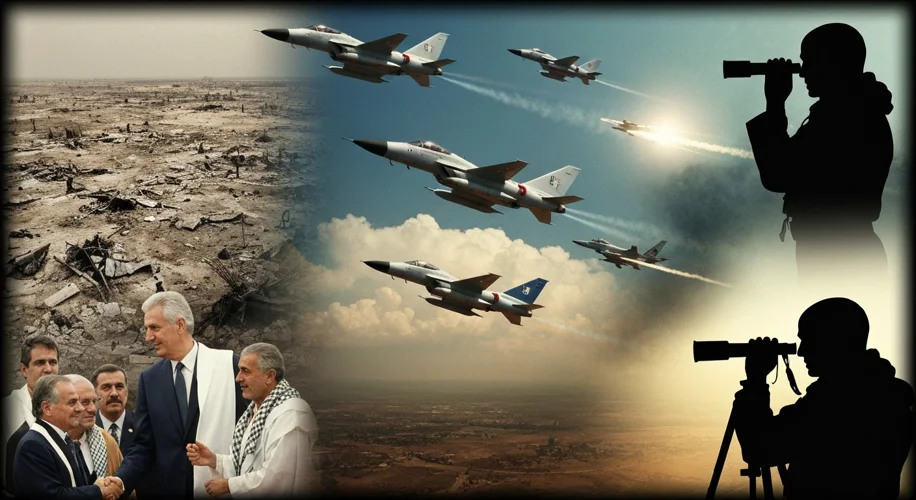
The 1990s dawned with a sense of optimism, a post-Cold War twilight where the United States stood as the undisputed global superpower. Into this new era stepped Bill Clinton, a charismatic leader whose foreign policy would be defined by a complex interplay of humanitarian intervention, diplomatic maneuvering, and the persistent ghosts of old conflicts. His administration inherited a world teetering on the brink of change, presenting both unprecedented opportunities and daunting challenges.
The cultural backdrop of the early 1990s was one of burgeoning globalization and a growing awareness of human rights abuses previously obscured by the Iron Curtain. The end of the Cold War had, paradoxically, unleashed a wave of ethnic conflicts and humanitarian crises. This was the landscape that greeted Clinton as he took office in January 1993.
One of the most searing early tests came in Somalia. The brutal civil war and ensuing famine had captured the world’s attention. The Clinton administration, continuing a policy initiated by President George H.W. Bush, authorized a U.S. military intervention under the banner of humanitarian aid. The initial goal was to secure food supplies and create a safe environment for humanitarian efforts. However, the mission rapidly devolved into a complex nation-building endeavor, culminating in the disastrous “Black Hawk Down” incident in October 1993. The sight of American soldiers’ bodies being dragged through the streets of Mogadishu sent shockwaves through the United States and profoundly impacted the administration’s willingness to engage in future interventions.

This experience cast a long shadow over subsequent foreign policy decisions, particularly the unfolding tragedy in the Balkans. The ethnic cleansing and genocide perpetrated by Serbian forces in Bosnia-Herzegovina presented a moral imperative that the world, and particularly the United States, struggled to confront. Initially hesitant, the Clinton administration, under pressure from international allies and a growing sense of moral outrage, eventually authorized NATO airstrikes in 1995. These strikes, coupled with ground offensives by Bosnian and Croatian forces, ultimately led to the Dayton Accords, bringing a fragile peace to the region.
Further north, the administration grappled with the aftermath of the Soviet Union’s collapse. Russia, under Boris Yeltsin, was in a state of flux, its economic and political systems undergoing tumultuous change. Clinton sought to foster a cooperative relationship, offering economic aid and supporting democratic reforms. However, the expansion of NATO eastward, a move seen by many in Russia as a betrayal of promises made at the end of the Cold War, created a persistent undercurrent of mistrust that would shape future relations.
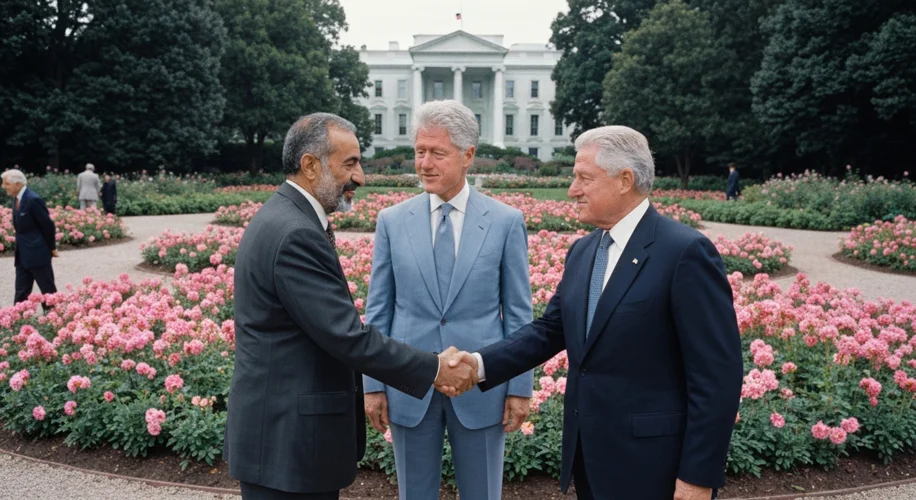
In the Middle East, the administration made significant diplomatic efforts to advance the Israeli-Palestinian peace process. The Oslo Accords, signed in 1993, represented a groundbreaking moment, with Israeli Prime Minister Yitzhak Rabin and Palestinian Liberation Organization Chairman Yasser Arafat shaking hands on the White House lawn under Clinton’s watchful eye. This was a triumph of diplomacy, offering a glimmer of hope for a lasting peace, though ultimately, the path to a final resolution remained fraught with obstacles.
The administration also confronted emerging threats from non-state actors. The bombing of the World Trade Center in 1993, carried out by militants linked to Osama bin Laden, served as an early warning of the growing danger of international terrorism. While the immediate response focused on apprehending those responsible, it foreshadowed the larger challenges the United States would face in the coming decades.
From the chaotic streets of Mogadishu to the hopeful handshake in Oslo, the Clinton administration’s foreign policy was a testament to the complexities of a unipolar world. It was a period of both bold interventionism and cautious diplomacy, shaped by the harsh lessons of Somalia, the moral imperative of Bosnia, and the enduring quest for peace in the Middle East. The decisions made during these eight years would leave an indelible mark on global affairs, setting the stage for the challenges and opportunities of the 21st century.