
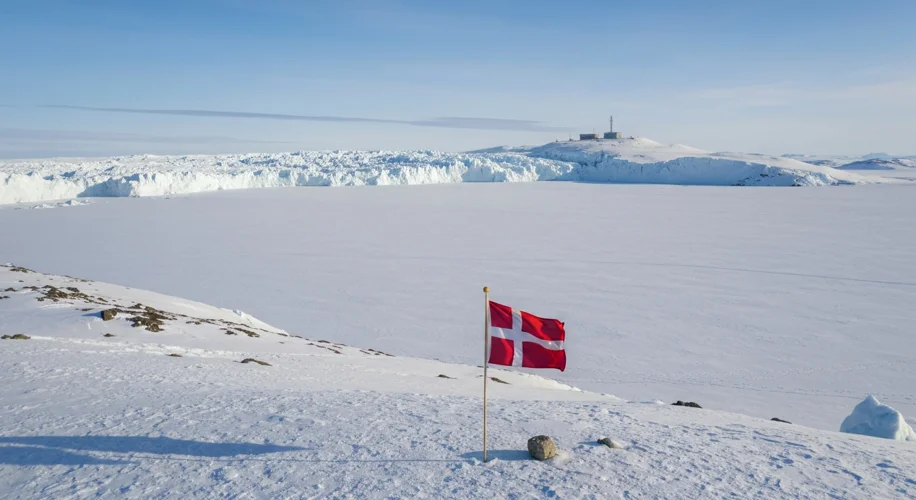
The vast, icy expanse of Greenland, a land of stark beauty and strategic importance, has long been a silent observer of geopolitical currents. Its relationship with the United States, mediated through the sovereign control of Denmark, is a saga of shifting alliances, Cold War anxieties, and enduring questions of influence. This is not a story of grand battles, but of subtle negotiations, strategic acquisitions, and the delicate dance of international relations played out on the world’s largest island.
Long before modern geopolitical considerations, Greenland was a land of Inuit peoples, living in harmony with its harsh, yet bountiful, environment. Its discovery by Europeans is often attributed to the Norse explorer Erik the Red in the late 10th century, who established settlements that eventually faded into the mists of history. For centuries, Greenland remained a remote outpost, its destiny intertwined with that of Norway and, later, Denmark.
The modern chapter of US-Greenland relations began to unfold in the 20th century, a period marked by global upheaval and a burgeoning awareness of strategic territories. As World War II raged, the United States, then a rising global power, began to view Greenland not just as a frozen landmass but as a critical strategic asset. Its proximity to North America and its potential as a base for aerial operations or naval surveillance became increasingly apparent.
In 1941, under the shadow of the war and with the fall of Denmark to Nazi Germany, the United States and the Danish government-in-exile signed an agreement granting the US the right to establish military bases in Greenland. This was a pragmatic move, born out of necessity and the shared struggle against Axis powers. The DYE II station, a crucial radar and early warning site, became a symbol of this wartime cooperation, silently watching the Arctic skies.
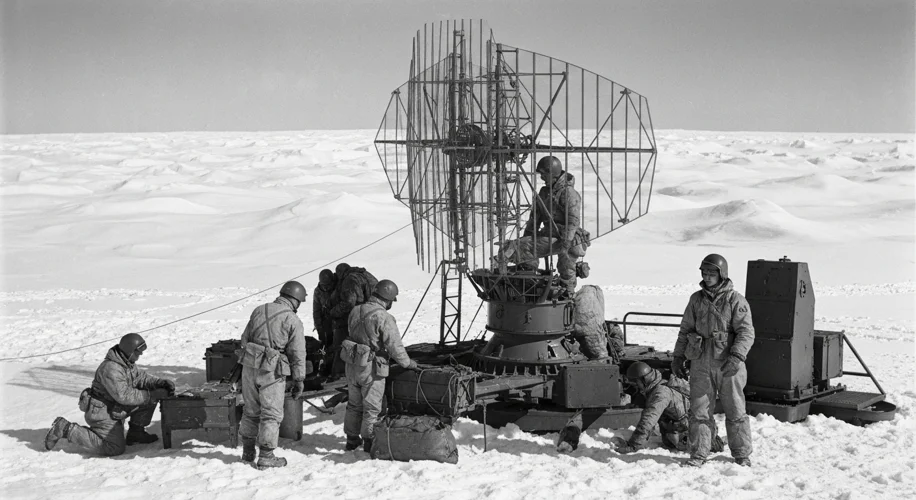
Following the war, the strategic importance of Greenland did not diminish; if anything, it intensified with the advent of the Cold War. The island’s location was perfect for monitoring Soviet activities in the Arctic. In 1951, a new defense agreement was signed, formalizing the US military presence and the establishment of bases like Thule Air Base, which remains a vital component of the North American Aerospace Defense Command (NORAD) today.
However, this continued US presence, while framed within defense agreements, occasionally sparked friction and curiosity. The most dramatic episode occurred in 1968, when a B-52 bomber carrying nuclear weapons crashed near Thule Air Base, scattering radioactive material across the ice. While a massive cleanup operation was undertaken, the incident highlighted the risks associated with the US military’s activities in Greenland and the potential for environmental catastrophe.
Beyond military installations, the idea of Greenland as a potential territorial acquisition periodically surfaced. In 1946, President Harry S. Truman famously offered to buy Greenland from Denmark for $100 million. Denmark, firmly rooted in its sovereignty and the principle of self-determination, politely but unequivocally refused.
This persistent notion of American interest, however, resurfaced decades later. In 2019, then-President Donald Trump openly proposed purchasing Greenland, an idea that was met with bewilderment and strong condemnation from both the Danish government and Greenlandic leaders. The Danish Prime Minister, Mette Frederiksen, called the suggestion “absurd,” emphasizing that Greenland was not for sale. This event, though fleeting, underscored the complex relationship: the US sought strategic access, while Denmark jealously guarded its sovereignty and Greenlanders asserted their right to self-governance.
Greenland itself has been on a path towards greater autonomy. Since 1979, it has enjoyed home rule within the Kingdom of Denmark, with increasing powers over its own affairs. In 2009, the Self-Government Act further expanded its autonomy, recognizing the Greenlandic people as a distinct nation under international law and granting them greater control over resources.
Today, the US-Greenland relationship is characterized by cooperation, particularly in defense and scientific research. The melting Arctic ice, a stark consequence of climate change, is opening new shipping routes and revealing potential natural resources, further enhancing Greenland’s geopolitical significance. This presents both opportunities and challenges, requiring careful navigation by Denmark, Greenland, and its international partners, including the United States.
The story of US-Greenland relations is a testament to the enduring power of sovereignty and the intricate diplomacy that shapes international affairs. It is a narrative woven with threads of shared security interests, economic potential, and the unwavering spirit of a people seeking to chart their own destiny on the vast, white canvas of their homeland. The whispering ice of Greenland continues to hold its secrets, a silent guardian of its own future.