
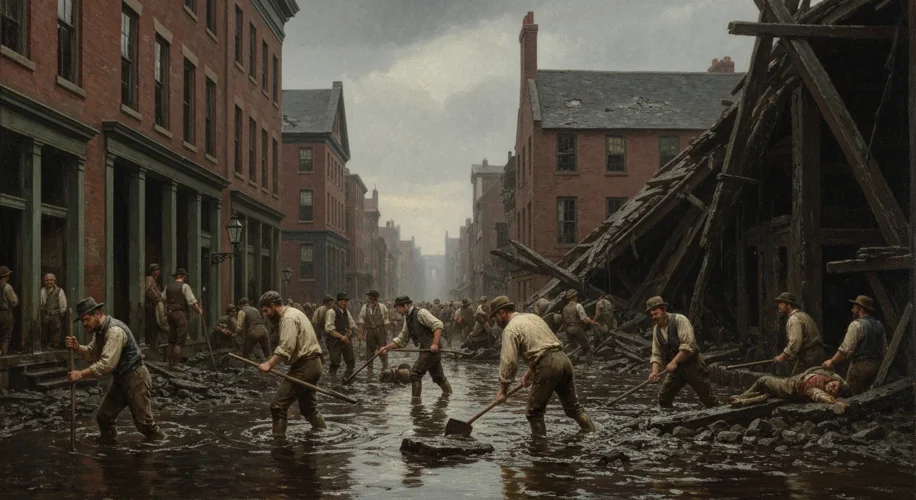
The air in Boston’s North End on January 15, 1919, was crisp, carrying the bite of a New England winter. Children played near the waterfront, their laughter echoing against the brick buildings. For the residents of this bustling neighborhood, dominated by the ever-present, towering storage tank of the Purity Distilling Company, life was a mix of industrial grit and close-knit community. Little did they know, this seemingly ordinary day would descend into a sticky, terrifying nightmare.

The tank itself was a behemoth, standing 50 feet tall and 40 feet in diameter, a cylindrical behemoth designed to hold a staggering 2.3 million gallons of thick, dark molasses. It had been constructed quickly and cheaply in 1915, a testament to the era’s rush for industrial expansion. Its rivets were famously leaky, a fact that the company attempted to patch up with a coat of brown paint, a futile gesture against the immense pressure it contained. Residents had long complained about the tank, reporting groaning sounds and even tremors. Some children claimed to have licked the sweet leaks.
At approximately 12:30 PM, a deafening roar ripped through the afternoon stillness. It wasn’t the sound of cannons or thunder, but a monstrous, sickening explosion. The tank had ruptured. Witnesses described a wave, not of water, but of viscous, dark molasses, 25 feet high and moving at an estimated 35 miles per hour, surging through the streets.
Imagine the horror: a tsunami of sugary syrup, thick and suffocating, tearing through everything in its path. Buildings were crushed, their wooden frames splintering like matchsticks. Horses were engulfed, their panicked cries quickly silenced. People caught in the initial onslaught were swept away, their bodies battered and bruised by the sheer force of the molasses. Rescue efforts were immediate but agonizingly slow. The thick, sticky substance made it incredibly difficult to move, to breathe, to even stay afloat. Survivors described the horrifying sensation of being trapped, sinking into the sweet, dark ooze.
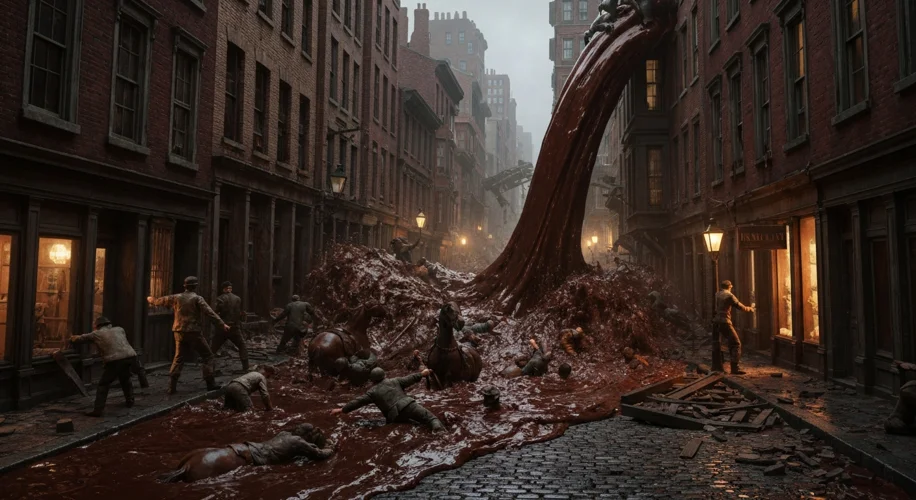
The aftermath was grim. The sweet aroma of molasses, once a sign of industrial progress, now hung heavy with the stench of death and destruction. Twenty-one people lost their lives that day, and over 150 were injured. The wave of molasses, in some places, was deep enough to trap and drown victims.
The immediate question was: how could this happen? Investigations and lawsuits followed, revealing a shocking tale of corporate negligence. The tank had been poorly constructed, its structural integrity compromised. The immense weight of the molasses, coupled with temperature fluctuations – a warmer spell had caused the molasses to expand – created unbearable pressure. The company, United States Industrial Alcohol (USIA), which owned Purity Distilling, had ignored safety concerns and rushed construction to meet demand for industrial alcohol, a key ingredient in munitions during World War I.
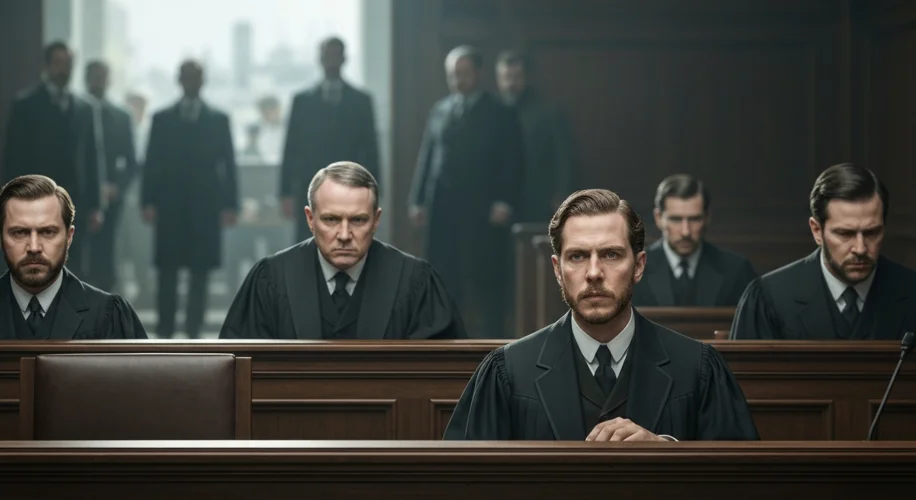
The legal battle that ensued was one of the largest class-action lawsuits in Massachusetts history at the time. USIA eventually settled with the victims and their families for a substantial sum, though no amount of money could truly compensate for the lives lost and the trauma endured.
The Great Molasses Flood, as it came to be known, stands as a stark reminder of the dangers of unchecked industrial ambition and the human cost of cutting corners. It was a bizarre, tragic, and sticky end to a winter day, a bizarre chapter in Boston’s history that, despite its sweetness, left a bitter taste for generations. The event’s legacy lingers, not just in the historical accounts, but in the collective memory of a city that learned a powerful, albeit sticky, lesson about the importance of safety and accountability.